How does battery capacity influence solar street light performance?

Time:2026-05-31 Author:Sienna
0%

Battery capacity plays a crucial role in determining the performance of solar street lights. As cities shift towards renewable energy, understanding this dynamic is essential. According to the Global Solar Energy Market Report, effective battery management can enhance the lifespan and efficiency of solar lighting solutions. Notably, industry expert Dr. Alan Jacobs states, "The autonomy of solar street lights hinges significantly on battery capacity." This emphasizes the link between battery capability and operational reliability.

Furthermore, the battery capacity influences the duration of illumination during low light conditions. For example, a typical solar street light with a higher capacity battery can provide up to 20 hours of light compared to only 6 hours for lower capacity systems. This directly impacts urban safety and functionality, especially in remote areas.

In the pursuit of effective solar street lighting, it's vital to consider trade-offs. A larger battery might introduce additional costs and size constraints. Balancing these factors is a task that requires ongoing evaluation and industry insight. Thus, the question arises: "How does battery capacity affect solar street light autonomy?" This exploration necessitates a deep dive into both technical specifications and real-world applications.
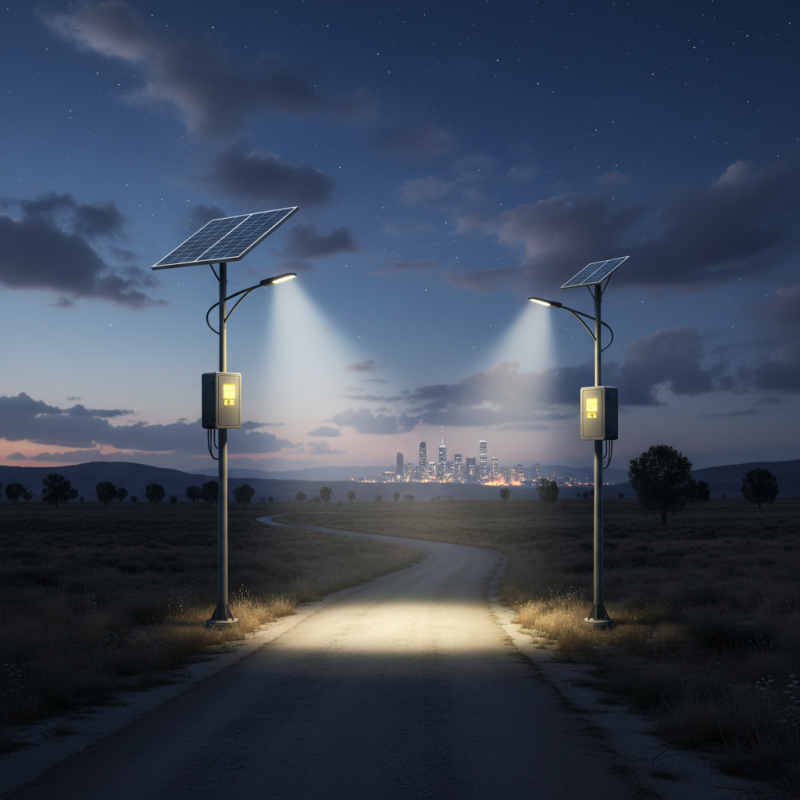
How does battery capacity influence solar street light performance?

Impact of Battery Capacity on Power Storage in Solar Street Lights

Battery capacity plays a crucial role in solar street light performance. A larger battery can store more energy, making it possible for lights to operate longer after sunset. For instance, a battery with a capacity of 100 Ah may power a street light for several nights, even with cloudy days. This flexibility allows municipalities to rely less on grid power.

However, having a larger battery isn't always a perfect solution. Sometimes, excessive capacity leads to underuse. This can cause battery degradation over time. Regular monitoring is necessary to ensure optimal performance. Also, choosing the right size requires expertise. Poorly estimated requirements can lead to system failures.

Additionally, maintenance of battery storage systems is vital. A poorly maintained battery can underperform regardless of its size. Therefore, solar street light designs must incorporate user-friendly features for monitoring. This helps in identifying issues quickly. Striking a balance between battery capacity and sustainable usage is essential for reliable solar street lighting.

Role of Battery Capacity in Solar Street Light Duration and Brightness

Battery capacity plays a crucial role in the duration and brightness of solar street lights. A higher capacity allows the system to store more energy generated during the day. This means lights can operate longer at night. Typically, a battery’s capacity is measured in amp-hours (Ah). For instance, a 100Ah battery can provide 100 amps for one hour, or 50 amps for two hours. This flexibility impacts performance directly.

When battery capacity is inadequate, lights may dim early or shut off unexpectedly. This situation can frustrate users and undermine safety in public spaces. A consistent power supply is essential for security and visibility. A well-designed solar street light should be able to last through cloudy days. However, achieving this requires a careful balance of solar panel output and battery storage.

The relationship between battery capacity and light output is complex. Larger batteries can provide more power but also come at higher costs and heavier weights. Therefore, the right capacity should be determined based on local conditions and expected usage. Too much capacity can lead to waste, while too little can compromise performance. This nuanced approach is critical for ensuring efficient and effective solar lighting solutions.

Effects of Battery Size on Solar Panel Compatibility and Efficiency

Battery size plays a crucial role in the performance of solar street lights. A larger battery capacity allows for greater energy storage, enabling the lights to operate longer during the night. This is especially important in regions with less sunlight or during cloudy days. When the battery is too small, the lights may turn off unexpectedly, causing safety concerns.

Compatibility between the solar panels and battery size is also essential. If the battery can’t store enough energy, solar panels become less effective. This mismatch leads to inefficiencies and limits the overall performance. Inadequate battery size may not support the energy needs of advanced lighting technologies, affecting brightness and duration.

However, optimizing battery size isn't always straightforward. A larger battery increases costs and space requirements. Balancing these factors is key. An oversized battery may lead to wasted energy if the solar panels do not generate enough. Proper system design is critical for achieving the best mix of size and efficiency. Users must assess their specific needs and conditions carefully.

How does battery capacity influence solar street light performance? - Effects of Battery Size on Solar Panel Compatibility and Efficiency

Battery Capacity (Ah) Solar Panel Size (W) Light Output (Lumens) Continuous Operation Time (hrs) Charging Time (hrs) Efficiency (%)
20 30 800 5 6 70
40 60 1600 10 6 75
60 90 2400 15 8 80
80 120 3200 20 10 85
100 150 4000 25 12 90

Influence of Temperature on Battery Performance in Solar Street Lighting

Temperature significantly affects battery performance in solar street lighting. High temperatures can degrade batteries faster. This leads to reduced efficiency and shorter lifespan. Cold weather also impacts battery capacity, resulting in lower energy output. Understanding these effects is crucial for optimal street light performance.

To ensure longevity, consider the climate where the solar street lights will be installed. Batteries are sensitive components. Placing them in shaded areas can mitigate heat exposure. Conversely, if located in cold areas, choose batteries designed for such conditions. This can help maintain performance during extreme weather.

Tips for maintaining battery health include regular monitoring of charge levels. Clean the solar panels to ensure maximum sunlight intake. Replace any batteries showing signs of wear. Using proper battery management systems can enhance reliability. These practices will help achieve consistent lighting performance in various temperatures.

Maintenance and Longevity of Batteries in Solar Street Lighting Systems

The maintenance of batteries is crucial for solar street lighting systems. A well-maintained battery ensures reliable power supply, especially during cloudy days. Regular checks can help identify issues early, extending battery lifespan. Using appropriate battery types is essential too. Deep cycle batteries tend to perform better in solar applications. They are designed for regular discharge and recharge cycles.

Battery longevity also depends on environmental factors. Extreme temperatures can affect performance, leading to shortened life. In hotter climates, batteries may heat up and degrade faster. It’s necessary to select batteries suited for the local climate. Installing them in shaded areas can help mitigate temperature issues.

Routine maintenance often gets overlooked, yet it is vital for optimal operation. Cleaning terminals and ensuring proper connections can prevent voltage drops. Furthermore, changing batteries at recommended intervals is important. Some users may underestimate this, thinking batteries can last indefinitely. Regular monitoring and maintenance practices can enhance performance and reliability.

Impact of Battery Capacity on Solar Street Light Performance

This chart illustrates how different battery capacities influence the performance of solar street lights, focusing on parameters such as light duration and charging efficiency. As battery capacity increases, the performance of solar street lights improves, resulting in longer operational hours and better efficiency in energy usage.

FAQS

: How does battery capacity impact solar street light performance?

: Larger battery capacity allows for longer operation after sunset. It can power lights for multiple nights, even in cloudy conditions.

Can a larger battery cause issues?

Yes, excessive capacity can lead to underuse. This may result in battery degradation over time and reduced efficiency.

Why is regular monitoring important for battery performance?

Regular checks help ensure batteries function optimally. It can identify issues before they lead to system failures.

What role does battery size play in solar panel efficiency?

The right battery size is crucial for energy storage. Mismatched sizes can reduce solar panel effectiveness and overall performance.

Why is maintenance of battery storage systems vital?

Poorly maintained batteries can underperform, impacting the lighting system regardless of size. Maintenance is critical for reliability.

How does temperature affect battery performance?

High temperatures can degrade batteries quickly. Cold conditions can reduce energy output, making climate consideration essential.

What are some tips for maintaining battery health?

Regularly check charge levels, clean solar panels, and replace worn batteries. Implementing management systems can enhance reliability too.

Is it necessary to optimize battery size?

Yes, balancing size, cost, and space is key. Oversized batteries may waste energy if solar input is insufficient.

How can battery placement impact performance?

Placing batteries in shaded areas will reduce heat exposure. In colder climates, choose batteries designed for low temperatures.

What should users consider when selecting battery capacity?

Users must assess their specific energy needs and environmental conditions. This careful consideration avoids potential mismatch issues.

Conclusion

The article explores how battery capacity influences the performance of solar street lights, addressing several critical aspects. Firstly, the impact of battery capacity on power storage is crucial; a larger capacity allows for extended energy storage, which directly enhances the autonomy of the lighting system. Furthermore, the article discusses how battery size also affects the duration and brightness of solar street lights, ensuring optimal illumination during nighttime hours.

Additionally, the relationship between battery size and solar panel compatibility is analyzed, highlighting how an appropriate balance enhances efficiency. Temperature variations play a significant role in battery performance, affecting longevity and maintenance needs within solar street lighting systems. Ultimately, this article provides insights into how does battery capacity affect solar street light autonomy, underscoring its importance for reliable and efficient solar lighting solutions.

Sienna

Sienna

Sienna is a skilled marketing professional with a deep expertise in our company’s core products and services. With a passion for innovation and detail, she plays a pivotal role in crafting insightful blog posts that not only highlight the unique features of our offerings but also provide valuable......