When considering outdoor security lighting, one crucial factor stands out: "What is the best color temperature for outdoor security lighting?" Research from the National Institute of Justice highlights that light color can significantly affect visibility and perception. The ideal color temperature acts as a deterrent to crime and enhances safety. Experts recommend a range between 3000K to 5000K for optimal results.
Color temperature impacts human behavior and can influence feelings of security. For instance, cooler white lights (4500K-5000K) often create a more alert environment. However, they can also be harsh and uninviting. On the other hand, warmer lights (3000K-4000K) promote comfort but may not provide enough visibility. Lighting strategies should balance brightness and warmth to cater to safety and aesthetics.
Understanding the right color temperature is key. Some argue a specific temperature universally suits all settings, but that’s an oversimplification. Many outdoor environments vary significantly. A thoughtful approach considers the unique characteristics of each area, ensuring that the lighting chosen enhances security while maintaining comfort.
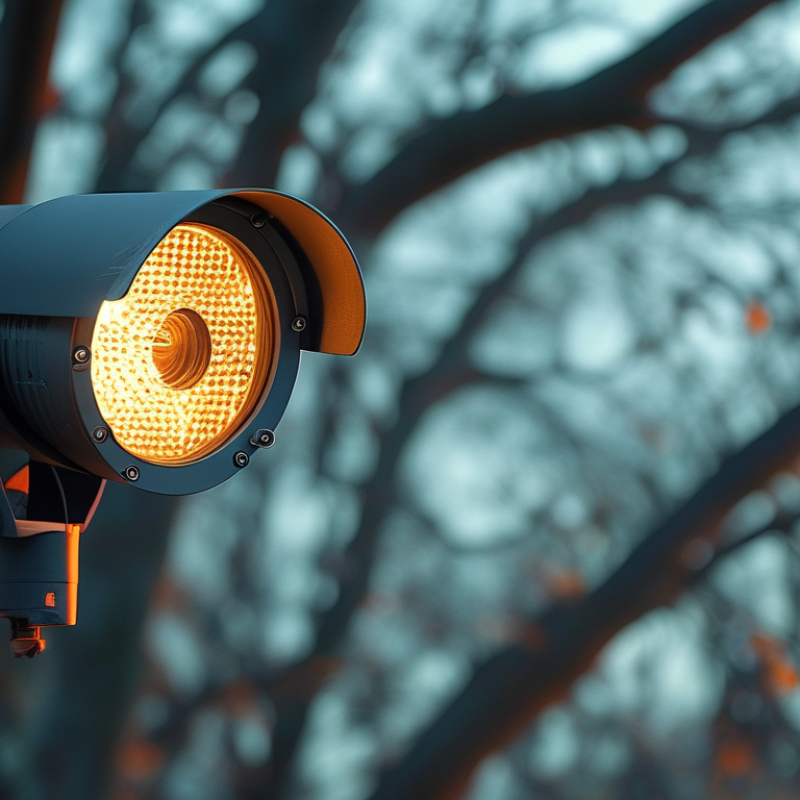
Understanding Color Temperature in Outdoor Security Lighting
Understanding color temperature is crucial for outdoor security lighting. Color temperature is measured in Kelvin (K) and affects how we perceive light. For security purposes, lights with a color temperature of 4000K to 5000K are often recommended. This range emits a bright, white light that closely resembles daylight. Such lighting enhances visibility, making it easier to distinguish colors and details. According to the Illuminating Engineering Society, security lighting should provide sufficient contrast in the environment.
However, the effectiveness of color temperature can vary in different contexts. While cooler tones improve clarity and alertness, warmer tones (below 3000K) create a softer ambiance. This is beneficial in residential areas where a harsh light might disturb neighbors. Studies reveal that excessive use of high color temperature can lead to light pollution, affecting local wildlife and neighborhoods. Striking a balance is essential.
Moreover, it is important to consider the placement and design of fixtures. Lights should be directed to minimize glare while maximizing coverage. Poor lighting design may lead to shadows or blind spots, which can undermine security. Recognizing these nuances in color temperature and placement ensures a more effective outdoor lighting strategy for safety and comfort.
Importance of Color Temperature for Visibility and Safety
The color temperature of outdoor security lighting is crucial for visibility and safety. Research indicates that higher color temperatures, around 4000K to 5000K, are effective in improving visibility at night. These temperatures produce a bright white light, which closely resembles daylight. In such conditions, human visibility is enhanced, aiding in faster identification of potential threats. According to the IES (Illuminating Engineering Society), proper lighting can reduce crime rates by up to 60% in well-lit areas compared to poorly lit ones.
It’s important to choose the right placement for these lights. Angles and distances matter. Properly directed fixtures avoid shadows that can hide intruders. Consider using floodlights in larger areas for uniform coverage. A consistent lighting layout enhances the overall safety of your property.
Adding supplementary lighting options can also be wise. Motion-sensor lights provide alerts and energy savings. They activate only when movement is detected, combining efficiency with security. Also, consider using LED options as they last longer and use less energy, contributing to lower operational costs. Regularly inspecting light fixtures and placements is essential to maintain efficiency and security.
Recommended Color Temperature Ranges for Different Environments
Selecting the right color temperature for outdoor security lighting is crucial. Different environments require specific ranges to maximize visibility and comfort. Generally, cool white light, with a color temperature of 4000K to 5000K, is ideal for security purposes. This range enhances clarity and detail, making it easier to identify potential threats.
In residential areas, a color temperature between 3000K and 4000K may be more suitable. This warmer light creates a welcoming atmosphere while still providing adequate security. However, it may not offer the sharpness required in high-risk areas. Some homeowners might find the softer hue less effective for monitoring. Evaluating both effectiveness and ambiance is essential for a balanced approach.
For commercial properties, a higher range of 5000K to 6500K is often favored. The bright, daylight-like illumination helps deter crime and increases safety around busy areas. Yet, it’s important to consider the impact on nearby residents. Excessive brightness might lead to discomfort or feelings of intrusion. Finding the right balance can be challenging yet vital for community harmony.
Best Color Temperature for Outdoor Security Lighting
The following bar chart presents the recommended color temperature ranges for outdoor security lighting in different environments. The color temperatures are measured in Kelvin (K).
Impact of Color Temperature on Insect Attraction and Wildlife
Color temperature significantly influences outdoor security lighting. Many people overlook how it affects not only visibility but also wildlife and insects. A warm color temperature, around 2700K to 3000K, tends to attract fewer insects. In contrast, cooler temperatures, such as 5000K, can draw in more nighttime visitors like moths and beetles. This can create an unexpected nuisance if you want to keep these creatures away, especially near entry points.
To minimize insect attraction, consider using warm-colored lights. They provide sufficient brightness while being less inviting to insects. Additionally, positioning lights farther away from areas where you don’t want insect activity can be beneficial. Strategically placing the lights can deter insects from coming near your home.
When choosing outdoor lights, reflect on their effects. Many individuals choose the brightest options without considering the implications. The aesthetic quality of your outdoor space can reduce if it’s constantly buzzing with insects. Using lower color temperatures not only improves comfort but also enhances the natural environment. Gradually transitioning to these options may help balance security and wildlife preservation effectively.
Choosing LED vs. Halogen Bulbs for Optimal Color Temperature
Choosing the right bulbs for outdoor security lighting involves understanding color temperature. Color temperature is measured in Kelvin (K). For security purposes, a cooler color temperature, around 5000K, is preferred. This mimics daylight, enhancing visibility during nighttime. However, high-intensity lights may create harsh shadows. These shadows can obscure potential threats.
LED and halogen bulbs both have unique advantages. LED bulbs are energy-efficient and long-lasting. They provide clear, bright light ideal for security. However, they may appear too cold for some people. Halogen bulbs, on the other hand, produce warmer light. They enhance the colors of the outdoor environment, but consume more energy.
Both options have trade-offs. LEDs offer longevity but can create a sterile feel. Halogens add warmth but require frequent replacement. Therefore, when choosing a bulb, consider use case and aesthetic preference. Evaluating these factors can lead to better outcomes for outdoor security. Each approach demands careful thought and may reveal unexpected challenges.
FAQS
: Cool white light between 4000K and 5000K is recommended. This range enhances visibility and detail.
Yes, a color temperature of 3000K to 4000K creates a welcoming atmosphere. However, it may reduce sharpness for monitoring.
A higher range of 5000K to 6500K helps deter crime. It increases safety in busy areas while requiring balance with residents’ comfort.
LED bulbs are energy-efficient and long-lasting. They provide clear, bright light perfect for visibility at night.
Halogen bulbs produce warmer light and enhance outdoor colors. However, they consume more energy and need frequent replacement.
LEDs offer longevity and energy savings but might feel too cold. Halogens add warmth but lack efficiency and require more maintenance.
Yes, high-intensity lights can create harsh shadows. These shadows may obscure potential threats, complicating security efforts.
Balancing clarity and ambiance is complex. Warmer temperatures can feel inviting but may compromise security in high-risk areas.
Finding the right balance between effectiveness and comfort can be tough. Thoughtful consideration is necessary for optimal results.
Absolutely. Excessive brightness can disturb nearby residents. Striking the right balance is vital for harmony within the community.
Conclusion
The article titled "Best Color Temperature for Outdoor Security Lighting?" delves into the significance of color temperature in enhancing visibility and safety in outdoor environments. Understanding color temperature is crucial as it influences how we perceive brightness and clarity at night. Various color temperature ranges are recommended for different settings, such as residential areas, commercial spaces, and public zones, ensuring optimal illumination for security purposes.
Moreover, the piece highlights the impact of color temperature on insect attraction and wildlife behavior, which can be a crucial consideration for outdoor lighting design. Choosing between LED and halogen bulbs also plays a role in achieving the best color temperature for outdoor security lighting. Ultimately, it addresses the central question: What is the best color temperature for outdoor security lighting? This typically falls within the range of 3000K to 5000K, providing a balance of effective visibility and minimal disruption to the surrounding ecosystem.
 Suvlux Light
