Outdoor security lighting plays a crucial role in enhancing safety and visibility. When considering lighting options, many ask, "What is the best color temperature for outdoor security lighting?" According to the International Lighting Design Association, color temperature significantly impacts how well a space is illuminated and perceived. Some studies suggest that a color temperature between 4000K and 5000K provides optimal brightness for outdoor environments.
Expert David Smith, a renowned lighting designer, states, "Selecting the right color temperature can drastically improve your security lighting’s effectiveness." Color temperatures in this range produce a bright, daylight-like illumination. This makes it easier for individuals to identify potential threats. However, higher temperatures might cause glare. This can lead to discomfort for homeowners and neighbors.
Finding the best color temperature is not a straightforward process. Each environment requires careful consideration. Factors such as surrounding landscape and nearby structures matter. Sometimes, personal preferences also influence the decision. Balancing effectiveness and comfort may require experimentation. This is the challenge many face when choosing outdoor security lights. It’s essential to reflect on these aspects to achieve a safe and inviting outdoor space.
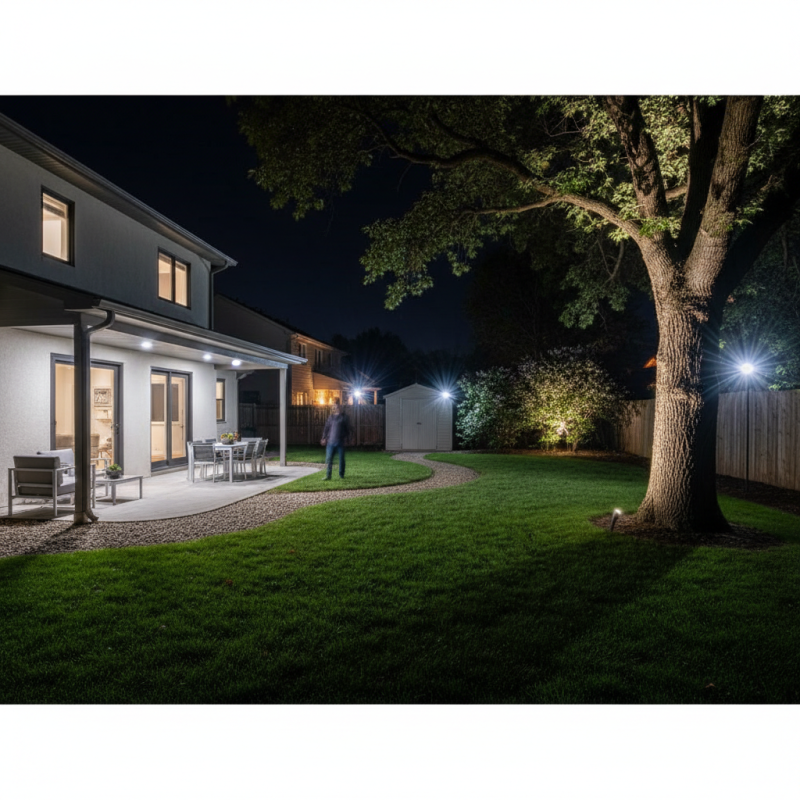
Understanding color temperature is crucial for outdoor security lighting. It refers to the hue of light emitted by a bulb, measured in Kelvin (K). Higher temperatures produce cooler, bluish light, while lower temperatures yield warmer, yellowish light. This characteristic affects visibility and safety in outdoor environments.
Studies show that lights around 4000K to 5000K are often ideal for security purposes. This range provides a balance of clarity and visibility. Cooler lights enhance detail and recognition in dark areas, making it easier to identify potential threats. In contrast, warmer lights create a cozy atmosphere but may obscure fine details.
When selecting lights, consider placement. Direct light on entry points enhances security. Aiming for a temperature of 5000K at entrances can improve surveillance effectiveness.
Tips: To ensure optimal performance, test different bulbs in your space. Evaluate visibility during various times, especially at night. Additionally, remember that too bright can dazzle. Adjust accordingly based on your needs.
Choosing the right color temperature for outdoor security lights is crucial for effective visibility. Generally, a range between 3000K to 5000K is recommended. Lights in this range provide clear illumination while ensuring a natural-looking environment. The 3000K lights create a warmer glow, ideal for residential areas. In contrast, 5000K lights offer a cooler, daylight-like effect, enhancing contrast at night.
Tips: Consider the surroundings when selecting lights. Installing cooler lights near driveways or paths can improve visibility. Warmer lights may suit patios or gardens better. Experimenting with color temperatures might lead to unexpected preferences. You may find that a mixture of temperatures suits different areas.
The placement of lights is essential. Position them strategically to minimize shadows. This ensures that dark spots are illuminated, reducing potential hiding areas. Keep in mind that some people may find overly bright lights intrusive. Adjusting the brightness or using diffusers can help maintain a balance. Evaluate the impact of your choices regularly, as preferences can change with seasons and usage patterns.
When considering outdoor security lighting, color temperature plays a crucial role. Common options include 3000K, 4000K, and 5000K. Each temperature has distinct qualities affecting visibility and ambiance.
A 3000K light emits a warm, yellowish glow. This creates a cozy atmosphere but might lack in illuminating dark corners. It is excellent for pathways. However, it may not deter intruders effectively. In contrast, 4000K provides a neutral white light. It strikes a balance, offering decent brightness without being too harsh. This temperature is often ideal for garage areas or backyards.
Now, the brightest choice is 5000K. This light produces a cool, bluish hue. It enhances clarity and visibility, making it highly effective in security settings. However, the harshness can be uninviting. There are complaints about it being too bright. Each option has its pros and cons. The decision should reflect personal needs and surroundings. Evaluating these can lead to better security outcomes.
This chart compares the effectiveness of different color temperatures (3000K, 4000K, and 5000K) for outdoor security lighting in terms of visibility and ambiance.
Color temperature plays a critical role in outdoor security lighting. It significantly impacts human perception and safety. Research shows that light between 4000K and 5000K enhances visibility. This range mimics natural daylight, making it easier for people to detect potential threats.
In a study by the International Journal of Architectural Computing, a bright, bluish-white light reduces fear and anxiety. People feel more secure under these lights. Too warm a light may create comfort zones but might reduce alertness. Consider experimenting with different temperatures to find the optimal setting for your outdoor area.
Outdoor security lighting plays a critical role in enhancing safety. Historically, the color temperature of these lights has been a focal point for designers and engineers. Industry standards typically lean toward cooler light temperatures, often in the 4000K to 6000K range. These cooler lights provide illumination that is bright and stark, deterring potential intruders.
However, trends indicate a shift in preferences for warmer temperatures. Many homeowners express a desire for more inviting lighting, favoring around 3000K. Some research suggests that warmer light can still achieve effective visibility while creating a more comfortable environment. This aspect is especially important in residential areas, where bright white light can feel too harsh.
Despite the benefits of cooler temperatures, challenges persist. Some users report issues with glare when using bright lights. Others worry about light pollution affecting neighbors. The quest for the perfect outdoor light involves balancing security needs with community preferences. Thus, understanding color temperature and its implications remains vital for anyone invested in outdoor safety.
| Color Temperature (K) | Description | Typical Usage | Advantages |
|---|---|---|---|
| 2700K | Warm White | Residential Areas | Creates a cozy atmosphere |
| 3000K | Soft White | Pathways, Porches | Balanced warmth and clarity |
| 4000K | Neutral White | Commercial Areas | Good color reproduction |
| 5000K | Daylight White | Security Areas | Bright and clear visibility |
| 6000K | Cool White | Parking Lots | High visibility for safety |
| 6500K | Bright Cool White | Public Spaces | Simulates daylight conditions |
| 7000K | Cool Daylight | Industrial Areas | Enhances details and security |
| 8000K | Super White | High Security Areas | Extreme brightness for safety |
| 9000K | Ice Blue | Specialty Lighting | Unique ambiance effects |
: Color temperature refers to the hue of light from a bulb, measured in Kelvin (K).
A color temperature range between 4000K and 5000K is often ideal for security purposes.
Cooler lights enhance detail and recognition, making it easier to identify potential threats in dark areas.
Warmer lights create a cozy atmosphere but may obscure fine details, impacting visibility.
Strategic placement reduces shadows and dark spots, enhancing overall security and visibility.
Yes, overly bright lights can dazzle or feel intrusive, so adjustments based on needs are essential.
Yes, experimenting with a mixture of temperatures might suit different areas of your property better.
Properly lit pathways and entrances minimize hiding spots, enhancing safety.
Regularly assess visibility during various times, as preferences can change with seasons and usage patterns.
Too much warmth may create comfort zones but can reduce alertness and awareness outdoors.
The article "Top 10 Best Color Temperatures for Outdoor Security Lights?" explores the significance of color temperature in enhancing outdoor security lighting. It begins by defining color temperature and its critical role in ensuring visibility at night. The recommended color temperature range for optimal visibility is discussed, with a comparative analysis of popular options like 3000K, 4000K, and 5000K. These temperatures are evaluated for their practical implications on safety and human perception, emphasizing how the right choice can deter crime and provide a sense of security.
A key question addressed in the article is, "What is the best color temperature for outdoor security lighting?" The discussion highlights historical trends and industry standards, ultimately suggesting that a balance between warmth and brightness is essential for effective outdoor illumination. Choosing the appropriate color temperature not only improves visibility but also enhances the overall safety of outdoor environments.

Suvlux Light