Solar garden lights are increasingly popular for homeowners looking to enhance outdoor aesthetics. These lights offer both functionality and energy efficiency. According to the U.S. Department of Energy, solar lighting can reduce energy use by up to 70%. However, a common question arises: "How long do solar garden lights typically last?"
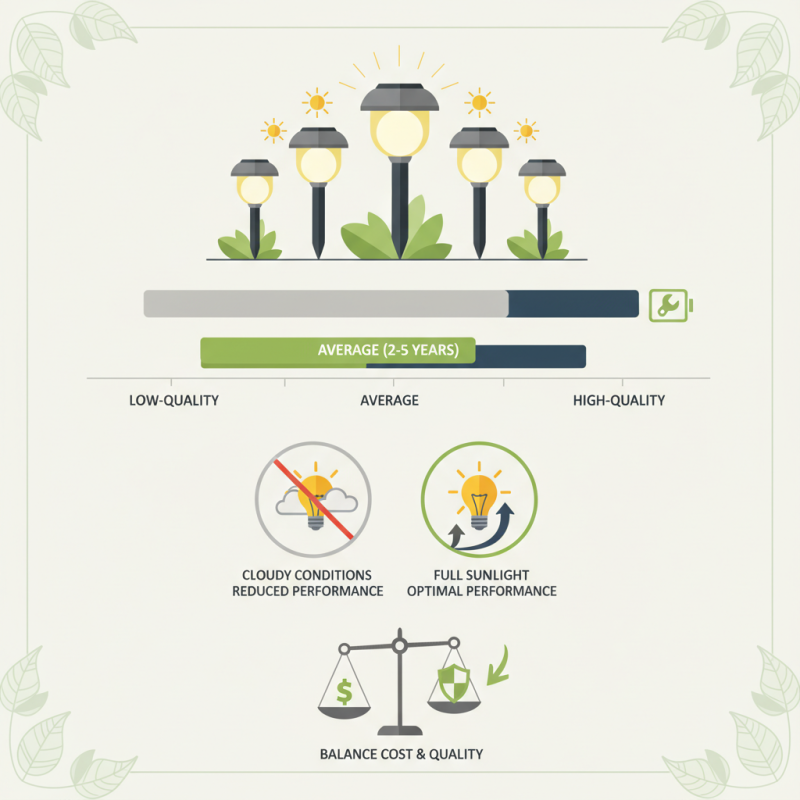
Typically, solar garden lights have a lifespan between 2 to 5 years. This duration can vary depending on quality and usage. Higher-end models often utilize advanced LEDs and durable materials, which may extend their longevity. Conversely, lower-quality options might fail sooner. Regular maintenance, including battery replacement, also plays a crucial role in maximizing lifespan.
Despite advancements in technology, some issues remain. Not all solar lights perform well under cloudy conditions. Aspects such as sunlight exposure can impact performance too. Consumers should weigh up options and consider warranties. It's essential to balance cost and quality for long-lasting results.
Solar garden lights have become popular for many homeowners. Their features offer practical benefits and aesthetic appeal. These lights are powered by solar energy, making them eco-friendly. They convert sunlight into electricity, providing illumination without added costs.
One unique feature is their energy-efficient LED bulbs. They last longer than traditional bulbs, reducing replacement frequency. Many solar lights come with motion sensors, which enhance security. Some models include adjustable brightness settings. These features make them versatile for various outdoor spaces.
Despite their advantages, solar garden lights have limitations. Performance can depend on sunlight exposure and battery quality. In cloudy weather, light output may decrease. Homeowners should consider their specific needs, ensuring the chosen lights align with their expectations. Overall, solar garden lights can be a wonderful addition to gardens and pathways, bringing both light and charm.
When considering solar garden lights, various factors impact their lifespan. The quality of materials used in the lights is crucial. Durable components resist wear and tear from weather elements. High-quality solar panels tend to absorb light more efficiently. This results in better energy storage, extending the lights' operational time.
Another significant factor is the battery type. Lithium-ion batteries generally have a longer lifespan compared to traditional nickel-cadmium batteries. They charge faster and hold energy longer. Additionally, regular maintenance can boost longevity. Keeping the panels clean ensures they capture sunlight effectively. Dirt can significantly reduce their performance.
Environmental conditions play a role as well. Harsh climates can affect the durability of solar lights. Extreme heat or below-zero temperatures may degrade materials faster. It's essential to choose lights designed for specific weather conditions. Understanding these factors creates a more informed buying decision.
When selecting solar garden lights, understanding their lifespan is crucial. Many popular models offer an average lifespan ranging from 2 to 5 years. However, some lights may last up to 7 years with proper maintenance. Factors such as battery quality and sunlight exposure significantly impact durability. Poor conditions may lead to quicker failures.
One common issue is the battery capacity. Cheaper models often use lower-quality batteries. These batteries tend to drain faster and may not recharge efficiently. Regularly checking connections can help extend the life of the lights. Additionally, harsh weather conditions can cause wear and reduce longevity.
Users should pay attention to the solar panel's condition. Dirt or debris can block sunlight and decrease efficiency. On occasion, these lights may flicker or dim due to aging components. A light that works well during summer may falter in the winter. It's essential to be mindful of these details when investing in solar lights.
Solar garden lights are a popular choice for outdoor illumination. To maximize their lifespan, specific care guidelines should be followed. Solar lights typically last about two to three years, depending on various factors. However, with proper maintenance, their longevity can be extended significantly.
Regular cleaning is crucial. Dust and debris can collect on solar panels, reducing their efficiency. A monthly cleaning routine can make a notable difference. It's recommended to use a soft cloth with mild soap to wipe down the panels. Additionally, positioning the lights in optimal sun exposure ensures better charging. Studies indicate that lights placed in direct sunlight can improve battery performance by up to 30%.
Battery replacement is another key aspect. Most solar lights use NiMH or lithium-ion batteries, which may need replacement every year or two. Signs of battery failure include dim lighting or inconsistent performance. Keeping an eye on these indicators can prevent early replacements. Lastly, during extreme weather, consider bringing the lights indoors to avoid damage. Protecting your investment requires vigilance and care.
Maintaining solar garden lights effectively is vital for their longevity. Regular cleaning is essential to ensure optimal performance. Dust and debris can accumulate over time, obstructing solar panels. This accumulation can significantly reduce the light's efficiency. Research indicates that regular cleaning can improve light output by up to 30%. A simple wipe with a damp cloth can go a long way.
Battery care is another critical factor. Most solar lights use rechargeable batteries, which can deteriorate after a few years. It’s advisable to replace them every 1-2 years for consistent performance. Some reports suggest that failure to replace old batteries can reduce the brightness and lifespan of garden lights. Storing lights in a cool, dry place during winter also helps preserve their components.
Lastly, while many may overlook the importance of positioning, it plays a significant role. Proper placement ensures adequate sunlight exposure. If solar panels are blocked by foliage or structures, functionality declines. Surveys show that poorly positioned lights lose up to 50% of their potential energy capture. It’s crucial to evaluate the surroundings regularly and adjust accordingly.
| Light Type | Average Lifespan (Years) | Battery Type | Maintenance Tips |
|---|---|---|---|
| LED Solar Lights | 2-5 | Lithium-ion | Regularly clean the solar panel; replace batteries every 2-3 years. |
| Traditional Solar Lights | 1-3 | NiMH | Ensure to replace bulbs annually; keep solar panels free from debris. |
| Solar String Lights | 3-6 | Li-ion or NiMH | Store indoors during winter; regularly check connections for rust. |
| Solar Pathway Lights | 3-4 | Lead-acid | Check for water accumulation; replace batteries every year. |
: Solar garden lights use solar energy to provide illumination outdoors. They convert sunlight into electricity for lighting.
The lifespan varies based on material quality and battery type. High-quality components enhance durability and efficiency.
Sunlight exposure and battery quality impact light output. Cloudy weather can decrease effectiveness and brightness.
Regular cleaning and battery replacement boost performance. Keeping solar panels clear of dirt is essential for efficiency.
Lithium-ion batteries generally last longer than traditional types. They charge faster and hold energy better over time.
Place lights where they receive maximum sunlight. Avoid obstructions like trees or buildings that can block sunlight exposure.
Solar garden lights offer an eco-friendly solution for outdoor illumination, featuring benefits such as energy efficiency and ease of installation. However, many users wonder, "How long do solar garden lights typically last?" Various factors impact their lifespan, including the quality of materials, battery capacity, and exposure to environmental conditions. On average, popular solar garden light models can last anywhere from 2 to 5 years with proper care.
To maximize the longevity of solar garden lights, users should consider several maintenance practices, such as regularly cleaning the solar panels to ensure optimal sunlight absorption and replacing batteries as needed. Additionally, positioning lights in areas with adequate sunlight can enhance their performance and extend their lifespan. By implementing these tips, users can enjoy reliable lighting in their gardens for years to come.

Suvlux Light