How to Choose the Right Wattage for Outdoor Sports Lighting?

Time:2026-07-31 Author:Amelia
0%

When organizing outdoor sports events, effective lighting is crucial. One key consideration is understanding how to choose the right wattage for outdoor sports lighting. The wrong wattage can lead to either inadequate illumination or excessive glare that distracts athletes and spectators.

Selecting the appropriate wattage involves knowing the specific requirements of the sport and the facility. Different sports often necessitate different lighting levels. For instance, a soccer field may need more lighting than a tennis court. Additionally, outdoor conditions can affect how light is perceived, making it essential to assess these factors carefully.

Ultimately, the goal is to enhance visibility and safety. However, many choose wattage without sufficient knowledge. This can lead to poor visibility during critical moments of a game. Engaging with lighting professionals or conducting thorough research can greatly improve decision-making. Make informed choices for optimal performance and enjoyment in outdoor sports settings.
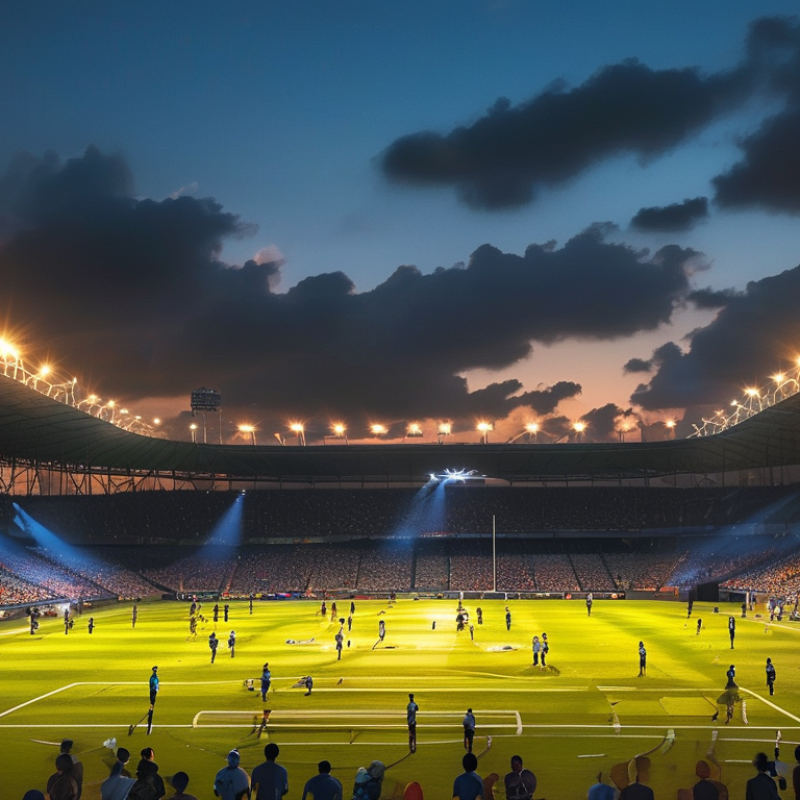
How to Choose the Right Wattage for Outdoor Sports Lighting?

Understanding the Basics of Wattage for Outdoor Sports Lighting

Choosing the right wattage for outdoor sports lighting starts with understanding its basics. Wattage measures the energy consumption of lights. Higher wattage often means brighter lights, but it’s not the only factor to consider. Different sports require different lighting levels for optimal visibility and performance.

For example, a soccer field may need around 200-300 lux of illumination. In contrast, a tennis court might require about 300-500 lux. Evaluating the size of the area and the type of sport helps in determining the required wattage. A small practice area might only need 100 watts, while a large field could require 600 watts or more.

Some people underestimate how much light affects performance. Too little light can lead to accidents, while excessive brightness can cause glare. Proper placement and adjustment of lighting fixtures can often resolve these issues. It's essential to test different configurations and gather feedback from players.

Understanding Wattage Requirements for Outdoor Sports Lighting

Identifying the Specific Lighting Needs for Different Sports Activities

Choosing the right wattage for outdoor sports lighting begins with understanding specific needs. Different sports activities demand varied lighting levels. For instance, a professional soccer field requires around 150-250 lux for competitive play, as noted by the International Lighting Commission. In contrast, recreational basketball courts can function effectively with only 100-150 lux.

When lighting is insufficient, players may struggle to see the ball. This affects performance and increases injury risks. Referencing guidelines from the Illuminating Engineering Society, it's essential to recognize that certain sports need distinct lighting setups. For instance, track and field events typically require higher illuminance, around 200 lux, for safety and visibility.

Tips: Consider local climate conditions, as outdoor lighting systems must withstand weather. Properly positioned lights can minimize shadows and glare. Regular maintenance and adjustments ensure optimal performance over time. Tailoring light intensity to specific sports not only enhances the experience but also ensures safety for all participants.

Calculating the Required Lumens Based on Area Size and Usage

When determining the right wattage for outdoor sports lighting, understanding lumens is crucial. Lumens measure the amount of light produced. The required lumens depend on the area size and the sport being played. For example, a small recreational field may need around 20-30 lumens per square foot, while a professional soccer field can require up to 70 lumens per square foot. This wide range highlights the importance of assessing both the activity and space.

A poorly lit area can detract from performance and safety. For instance, many sports require different illumination levels to meet satisfaction and visibility. Studies indicate that inadequate lighting can result in decreased athlete performance. Using insufficient wattage might produce only 30% of the required lumens needed for competitive play. Furthermore, over-lighting can waste energy without improving visibility, leading to higher operational costs.

When calculating the appropriate wattage, consider factors like fixture efficiency and beam angle. Experts suggest using fixtures that provide at least 80% of the total lumens needed for the space. Always remember that lighting choices should be based on specific needs and requirements for each sport and area. This balance ensures a well-lit environment while remaining energy-efficient.

How to Choose the Right Wattage for Outdoor Sports Lighting?

Area Size (sq ft) Usage Type Recommended Lumens/sq ft Total Lumens Required Wattage (approx.)
1000 Recreational 30-50 30,000 - 50,000 300 - 500
2000 Competitive 50-70 100,000 - 140,000 1000 - 1400
3000 Professional 70-100 210,000 - 300,000 2100 - 3000
4000 Multi-Sport Complex 80-120 320,000 - 480,000 3200 - 4800

Selecting the Right Wattage for LED vs. Traditional Lighting Options

When selecting the right wattage for outdoor sports lighting, it's crucial to consider the differences between LED and traditional lighting options. LED lights generally consume less energy and last longer than incandescent or halogen fixtures. According to the U.S. Department of Energy, LED lights use at least 75% less energy and have a lifespan of up to 25 times longer than traditional bulbs. This means choosing lower wattage LEDs can still deliver sufficient brightness while saving on energy costs.

For example, if a traditional fixture requires 100 watts for a sports field, a comparable LED fixture might only need 30 watts to provide the same lumens. This efficient use of wattage contributes to both environmental sustainability and budget-friendly operations. Sports facilities are increasingly switching to LED systems, with reports indicating a payback period of around two to five years due to energy savings.

Tip: Consider the lighting requirements of your specific sport. Different activities have varying illumination levels. For instance, a baseball field may require about 50-100 foot-candles, while soccer fields often need between 30-50 foot-candles. Assessing the requirements will help you choose the correct wattage for optimal visibility.

Also, reflect on the placement of your lights. Poor placement can lead to dark spots and inconsistent illumination, even with the right wattage. Conducting an initial lighting assessment before installation can yield significant improvements in performance and satisfaction.

Considering Energy Efficiency and Longevity in Lighting Choices

Choosing the right wattage for outdoor sports lighting requires careful consideration. Energy efficiency plays a key role in reducing long-term costs. LEDs are popular for their lower energy consumption and longer lifespan. They can last up to 25,000 hours. This means less frequent replacements and reduced maintenance costs.

Longevity in lighting choices is also crucial. Frequent changes can disrupt events and training schedules. A durable lighting option can withstand the weather and provide consistent visibility. Think about how often lights are turned on and off. Some bulbs may wear out faster with constant cycling.

While dimmable options seem appealing, they may not always be the best choice. Reflect on your specific needs and usage patterns. Sometimes, a simple, steady wattage outshines complex solutions. Evaluate your options carefully. Test different wattages under various conditions. Real-world experience offers insights that numbers cannot always capture.

FAQS

: What is wattage in outdoor sports lighting?

: Wattage measures the energy consumption of lights. Higher wattage usually means brighter lights.

How much light do different sports need?

A soccer field needs 200-300 lux; a tennis court needs 300-500 lux for optimal performance.

How does area size affect wattage needs?

Small practice areas might need 100 watts, while large fields could require 600 watts or more.

What happens with insufficient or excessive lighting?

Too little light causes accidents; too much leads to glare. Proper lighting balance is crucial.

Why choose LED over traditional lighting?

LEDs use 75% less energy and last much longer than traditional bulbs, making them more efficient.

How do wattage needs differ between fixtures?

A traditional 100-watt fixture may equal a 30-watt LED in terms of brightness.

What is important about light placement?

Poor placement leads to dark spots even with correct wattage. Assessing placement can improve results.

What is a common issue with lighting configurations?

People often underestimate the impact of light on performance and safety. Feedback is valuable.

How long does it take for LED systems to pay off?

Reports suggest a payback period of two to five years due to energy savings.

How can sports facilities improve lighting outcomes?

Conduct an initial lighting assessment to enhance visibility and player satisfaction.

Conclusion

When considering "How to choose the right wattage for outdoor sports lighting?" it is essential to understand the basic principles of wattage and its impact on illumination. Different sports activities have specific lighting requirements, which must be identified to ensure optimal visibility and performance. Calculating the necessary lumens based on the area size and intended usage is a critical step in determining the appropriate wattage for your lighting setup.

Additionally, selecting the right wattage varies significantly between LED and traditional lighting options, each offering distinct benefits and challenges. It is crucial to consider energy efficiency and longevity when making lighting choices, as these factors not only affect operational costs but also the environmental impact. By following these guidelines, you can effectively choose the right wattage for your outdoor sports lighting needs, ensuring a well-lit and safe environment for athletes.

Amelia

Amelia

Amelia is a seasoned marketing professional with a wealth of expertise in our company’s core offerings. With an unwavering passion for driving growth and innovation, she plays a pivotal role in shaping our marketing strategies and enhancing brand visibility. A key aspect of her responsibilities......