When discussing how to choose the right wattage for outdoor sports lighting, understanding the specific needs of your facility is crucial. Proper lighting not only enhances the safety and performance of athletes, but also creates an inviting environment for spectators. Different sports have varied lighting requirements. For example, a soccer field may need more lumens compared to a tennis court. This is where the concept of wattage comes into play.
Choosing the right wattage doesn’t just ensure visibility. It affects energy consumption and maintenance costs. Too little wattage can lead to inadequate lighting, impacting games and performances. Conversely, excessive wattage can result in wasted energy and higher electricity bills. Striking a balance is key.
Researching equipment options and consulting with lighting professionals can provide valuable insights. However, many people overlook their unique needs and local regulations. Mistakes can lead to wrongful assumptions about coverage and intensity. Thus, when asking how to choose the right wattage for outdoor sports lighting, it’s essential to take a thoughtful approach.
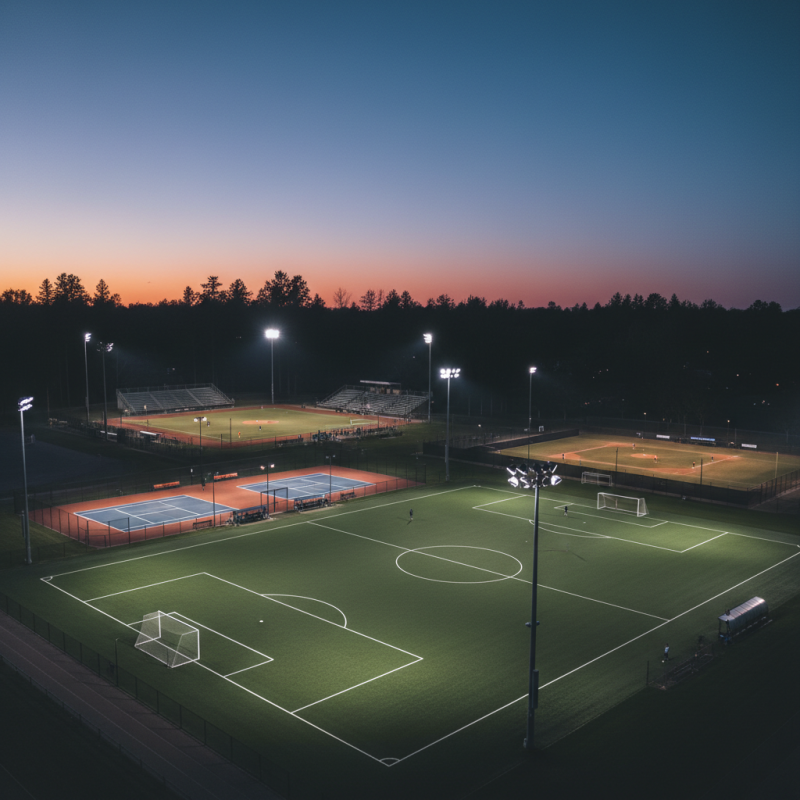
Understanding the importance of wattage in sports lighting is crucial for ensuring optimal visibility during outdoor events. Wattage directly influences the brightness of the lights, which in turn affects player performance and spectator enjoyment.
A study by the National Association of Sports Commissions found that appropriate lighting levels can prevent injuries and enhance safety. For instance, fields used for soccer and baseball typically require between
30 to 50 foot-candles, translating to higher wattage needs.
Selecting the right wattage is not just about illumination. It's also about
energy efficiency and cost. The U.S. Department of Energy reports that LED lights, often lower in wattage, can result in energy savings of up to
50% compared to traditional lighting systems. However, there can be challenges. Underestimating wattage may lead to poorly lit fields, affecting game quality. Conversely, excessive wattage can cause glare and sky pollution, impacting nearby residential areas. It's essential to
balance brightness and environmental considerations. Detailed planning with proper lighting professionals can address these complexities effectively.
Choosing the right wattage for outdoor sports lighting requires careful consideration. The brightness level directly affects safety and visibility. A common mistake is overestimating the wattage needed. Too much light can cause glare and discomfort, impacting performance.
Start by evaluating the size of the area. Larger fields need brighter lights, while smaller spaces can use lower wattage. Consider the activities taking place. Sports like soccer and basketball require higher brightness. It's essential to think about the age group of participants. Younger athletes may need more illumination for safety.
Another factor is the lighting’s purpose. Are you hosting events at night, or just providing general safety? Events demand higher wattage for better visibility. The location also plays a role. Areas with natural light may require less artificial lighting than fully enclosed spaces. Ultimately, achieving a balance between brightness and comfort is crucial. Test different configurations to see what works best, as each space is unique.
When selecting wattage for outdoor sports lighting, performance requirements differ by activity. A soccer field, for instance, needs approximately 100-150 lux for optimal visibility. This translates to about 500-1000 watts per pole, depending on fixture efficiency. Conversely, tennis courts require about 200-300 lux, suggesting a lower wattage of around 300-600 watts per pole.
Football and baseball fields pose unique challenges, often necessitating higher wattage levels. The average wattage could reach 1500 watts per pole to achieve the needed 200-250 lux. However, this wattage can lead to higher operational costs and energy waste if not managed efficiently. Studies indicate that the use of energy-efficient LEDs can reduce wattage requirements by 20-30%, offering a more sustainable option for facilities. Yet, the initial investment might deter some organizations from transitioning to improved technologies.
Consideration of local regulations and community standards is crucial when choosing wattage. Poorly planned lighting can create glare and disrupt wildlife. Therefore, a balance must be struck between adequate illumination and environmental responsibility. Each sport presents its own demands, necessitating a tailored approach to lighting wattage, ensuring safety, performance, and sustainability.
When planning outdoor sports lighting, understanding the necessary wattage is crucial. Calculating wattage involves assessing the area and height of the installation. A commonly referenced average is 20 to 30 lumens per square foot for recreational areas. This means you must determine the surface area to ensure adequate coverage.
Next, consider the mounting height of the fixtures. Higher lights disperse light over larger areas but may require higher wattage. For example, a floodlight mounted 20 feet high often requires about 400 watts. However, if installed lower, a 200-watt light may suffice. It's vital to balance light intensity and energy efficiency.
Some reports suggest that too much wattage can create glare and unnecessary light pollution. Striking the right balance ensures safety and performance without excess energy use. Regular checks and adjustments may be necessary to refine your lighting setup. An analysis of your specific environment will guide you to the optimal wattage choice.
Choosing the right wattage for outdoor sports lighting goes beyond just brightness; it involves energy efficiency and sustainability. Energy-efficient lighting reduces electricity consumption and minimizes environmental impact. Using LED fixtures can cut energy use significantly compared to traditional options. However, not all LEDs are created equal. It's important to evaluate the long-term costs and benefits, including potential replacements and maintenance.
Sustainability also plays a vital role in sports lighting. Many communities now seek to minimize light pollution and maximize energy use. Installing smart lighting systems can optimize illumination based on natural light levels or occupancy. This not only conserves energy but also creates a better playing and viewing experience. However, some facilities may struggle with the initial investment, often overlooking the financial savings in the long run.
Incorporating renewable energy sources, such as solar power, is another aspect to consider. Solar lights can be an excellent choice for remote locations with limited access to electricity. Yet, their effectiveness can be dependent on local climate conditions. Balancing these factors requires careful planning. Each decision should reflect a commitment to sustainable practices while ensuring that athletes and fans enjoy safe, well-lit environments.
: Size of the area, type of activity, and participant age greatly affect wattage needs.
Proper wattage ensures safety and visibility, preventing glare and discomfort during activities.
For a soccer field, around 500-1000 watts per pole provides optimal visibility.
Tennis courts generally require lower wattage, about 300-600 watts per pole.
Locations with natural light may need less wattage compared to fully enclosed spaces.
Higher fixtures need more wattage, while lower placements may use less energy.
Yes, energy-efficient LEDs can reduce wattage needs by about 20-30%.
Overly bright lighting can cause glare and disrupt local wildlife.
Each space is unique; testing helps find the best balance between visibility and comfort.
Overestimating wattage needed can lead to glare and higher costs; it’s crucial to evaluate needs properly.
Choosing the right wattage for outdoor sports lighting is crucial for enhancing visibility and ensuring safety during activities. Understanding the importance of wattage involves recognizing how it affects illumination levels and overall performance in various sporting environments. Several factors must be considered, such as the type of sport, the area being lit, and the height of the fixtures, which all influence the required wattage.
When comparing different wattage options, it is essential to tailor the lighting to specific sports activities to meet their unique requirements effectively. Calculating the necessary wattage based on the size of the area and the mounting height helps in making informed decisions. Additionally, energy efficiency and sustainability are significant aspects to contemplate, as they contribute to lower operational costs and a reduced environmental impact. By carefully evaluating these aspects, facilities can ensure that they meet their lighting needs while promoting responsible energy usage.

Suvlux Light