When dealing with LED flood lights, flickering can be a frustrating issue. Many homeowners wonder, "Why is my LED flood light flickering when turned on?" This concern affects not only the ambiance but also the security of outdoor spaces. According to lighting expert John Mitchell, “Flickering lights can indicate a range of problems, from simple wiring issues to more complex electrical faults.”
Understanding the reasons behind this flickering is essential. It could stem from inadequate wattage, incompatible dimmers, or loose connections. Each cause requires a different approach. For instance, if the flood light’s wattage exceeds the circuit's limit, it may flicker intermittently. Moreover, some dimmers may not support LED lights, leading to erratic behavior. These technical glitches feel frustrating, but they also present an opportunity for learning and improvement.
Homeowners should not dismiss flickering lights as trivial. Ignoring the problem can lead to more significant electrical issues over time. Addressing flickering promptly can enhance both safety and performance. Exploring the underlying causes empowers owners to make informed decisions, ensuring their outdoor lighting remains effective and reliable.
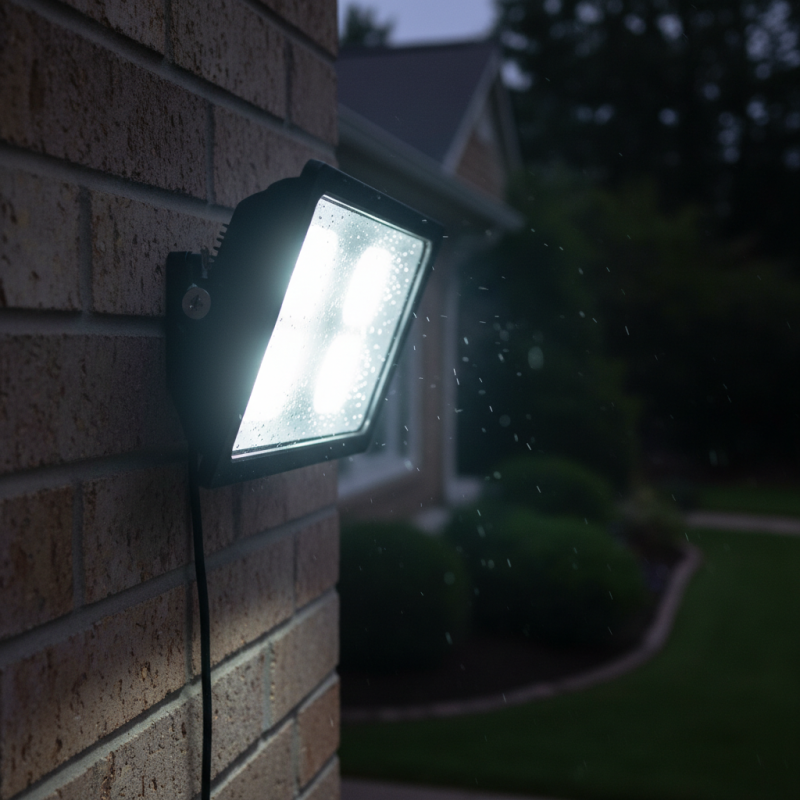
Common Causes of Flickering in LED Flood Lights
Flickering in LED flood lights can be frustrating. Various factors contribute to this issue. One common cause is voltage fluctuations. According to a report by the Electrical Safety Foundation International, voltage variations can significantly impact LED performance. Maintaining stable voltage is crucial for optimal operation.
Another reason might be incompatible dimmer switches. Many LED flood lights require specific dimmers to function correctly. A study by the Lighting Research Center indicates that mismatched dimmer technology can lead to flickering. This occurs especially when standard dimmers are used with LED fixtures designed for low wattage.
Obsolete wiring can also be a problem. Older electrical systems may not support modern LED technology adequately. Corroded or damaged wires contribute to inconsistent power flow. Additionally, overheating can cause flickering as well. LED lights generate some heat, and if not properly ventilated, they may flicker due to thermal concerns. Taking these factors into account can help diagnose and resolve flickering issues effectively.
Electrical Issues: Voltage Fluctuations and Surges
Voltage fluctuations can cause LED flood lights to flicker. These fluctuations may occur due to issues in your electrical system. When the voltage supplied to the lights changes suddenly, the LED driver struggles to adjust. This often results in an uneven light output, making the lights flicker annoyingly.
Surges are another concern. They can happen from power outages or when large appliances start up. These surges put stress on your LED fixtures. The flickering can be a sign that the light is trying to cope with this added pressure. Incompatible dimmers can also contribute to these fluctuations. They can interfere with the power delivery, leading to inconsistent performance.
It’s essential to keep your wiring in good condition. Old or damaged wiring may not handle the electrical load well. Routine inspections can help detect these issues early. You can consult with an electrician for a proper assessment. Ignoring flickering lights is not advisable. It might indicate deeper electrical issues in your home that need attention.
Incompatible Dimmers and Controls for LED Lighting
Incompatible dimmers and controls are a significant cause of flickering in LED flood lights. Many homeowners underestimate the importance of using compatible dimmers. According to industry studies, using non-compatible dimmers can lead to flickering in 80% of cases. This occurs due to incompatible electronics that disrupt the LED driver's performance. Most older dimmers were designed for incandescent bulbs, causing issues when paired with modern LEDs.
Selecting the right dimmer is essential for optimal performance. Look for dimmers specifically designed for LED lighting. These dimmers manage the reduced wattage LEDs require, ensuring smooth functionality. Check the compatibility ratings on each product. Reports show that proper dimmer selection can reduce flickering issues by up to 75%.
Tips: Always consult the LED manufacturer's guidelines before purchasing a dimmer. If flickering persists, consider switching to a different control system. Sometimes, the solution is simpler than expected. Don't ignore the possibility of a faulty dimmer causing these issues. Regular checks can save you time and frustration.
Overheating Components Leading to Flickering
Overheating is a common issue with LED flood lights that leads to flickering. When components reach excessive temperatures, it can affect performance. Research shows that high temperatures can significantly decrease the lifespan of LED fixtures. For instance, components that operate above 70 degrees Celsius can lose efficiency by up to 30%.
Improper heat dissipation is often the culprit. Poor design or lack of ventilation can trap heat within the fixture. This can result in flickering as the driver struggles to maintain consistent current output. A study from the Department of Energy indicates that optimal heat management can enhance performance and longevity by nearly 50%.
Routine inspections can help identify overheating issues. Look for dust accumulation on vents. Listen for unusual noises from the driver. If flickering occurs, consider the ambient temperature. The ambient environment impacts LED performance significantly. Sometimes, the installation location may not be ideal for heat dissipation, which calls for reevaluating placement.
Faulty or Aging LED Drivers and Power Supplies
Flickering in LED flood lights often traces back to faulty or aging LED drivers and power supplies. These components play a crucial role in converting electrical current to the appropriate levels for LEDs. Over time, they can degrade, causing inconsistent power delivery. According to industry reports, about 30% of lighting failures stem from driver issues, which emphasizes the importance of their reliability.
When LED drivers age, they may not provide stable voltage or current. This instability can manifest as flickering. Additionally, poor thermal management can lead to overheating, further compromising driver functionality. A study from the Lighting Research Center indicates that maintaining optimal temperature can extend driver lifespan by up to 20%. Replacing these parts preemptively can save energy and ensure consistent lighting.
Understanding common signs of failure can prevent unexpected issues. Look for fluctuations in brightness or changes in color temperature. Regularly inspecting these components helps maintain performance. Industry experts recommend considering both the age and quality of the power supply when assessing LED lighting systems. This proactive approach can lead to longer-lasting installations.
Common Reasons for LED Flood Light Flickering
Improper Wiring and Connections Impacting Performance
Improper wiring and connections can severely impact the performance of your LED flood light. When wires are not securely connected, flickering may occur. Loose or corroded connections can interrupt the current flow, leading to unstable lighting. Check connections regularly to ensure they are tight and free of corrosion.
Another issue arises from using the wrong gauge of wire. If the wire is too thin, it may not handle the electrical load properly. This can lead to overheating and, ultimately, flickering lights. Take time to evaluate the wiring system in place. Choosing the right wire gauge will enhance safety and efficiency.
Over time, wear and tear can take a toll on wiring. Insulation may deteriorate, exposing wires. This could create arcing or shorts, further contributing to flickering. It’s essential to inspect wiring periodically. Don’t ignore any signs of damage or flicker. Addressing these issues promptly can save you from larger problems down the line.
10 Common Reasons Why Your LED Flood Light Is Flickering
| Reason |
Description |
Potential Solution |
| Improper Wiring |
Wires are not correctly connected, leading to inconsistent power supply. |
Check connections and ensure proper wiring techniques are used. |
| Loose Connections |
Wires or fixtures may not be securely attached, causing flicker. |
Tighten all connections and inspect for any damaged wires. |
| Voltage Fluctuations |
Variations in voltage due to heavy electrical loads can cause flickering. |
Use voltage stabilizers to regulate the power supply. |
| Faulty LED Driver |
The component that controls the power to the LED may be defective. |
Replace the LED driver with a compatible and reliable one. |
| Incompatible Dimmer Switch |
Using a dimmer switch not designed for LED lights can cause issues. |
Install a compatible dimmer switch designed for LED lights. |
| Overheating |
Excessive heat can impact LED performance and cause flickering. |
Ensure proper ventilation around the flood light fixtures. |
| Age of the Light |
Older LED lights may experience reduced performance. |
Consider replacing older units with new ones for better reliability. |
| Moisture Exposure |
Water exposure can lead to corrosion and electrical issues. |
Ensure lights are rated for outdoor use and properly sealed. |
| Inconsistent Power Source |
Irregularities in the electrical grid can cause flickering. |
Contact your local utility provider for issues with the power supply. |
FAQS
: Flickering can occur due to voltage fluctuations in your electrical system. Sudden changes affect the LED driver.
Surges from power outages or large appliances can stress LED fixtures. This often leads to flickering as a coping mechanism.
Yes, incompatible dimmers may interfere with power delivery, causing fluctuations and inconsistent light output.
Old or damaged wiring might not handle electrical loads well. Regular checks can help detect and prevent problems early.
Components above 70 degrees Celsius can lose up to 30% efficiency. High temperatures significantly reduce their lifespan.
Poor ventilation and design may trap heat, leading to flickering as the driver struggles with current output.
Look for dust on vents and listen for unusual driver noises. These may indicate overheating issues.
High ambient temperatures can negatively impact LED functioning, leading to flickering or reduced efficiency.
If flickering persists, consult a professional. Ignoring this could mask deeper electrical problems.
Yes, ideal placement is crucial for heat dissipation. Poor spots may require reevaluation to ensure optimal performance.
Conclusion
Flickering in LED flood lights can be a frustrating issue for many users. Common causes include electrical issues such as voltage fluctuations and surges, which can disrupt the power supply to the lights. Additionally, using incompatible dimmers or controls that are not designed for LED lighting can lead to flickering problems. Overheating components and aging LED drivers or power supplies also contribute to this issue, affecting the overall performance of the lights.
When addressing the question, "Why is my LED flood light flickering when turned on?" it is important to consider the possibility of improper wiring and connections. Poorly connected wires can create instability in the lighting system, resulting in flickering. By understanding these common causes, users can take the necessary steps to troubleshoot and resolve the issue, ensuring a more reliable lighting experience.
 Suvlux Light
