Light pollution has become a significant issue in urban areas, impacting both wildlife and human health. According to a report from the International Dark-Sky Association, over 80% of the world's population lives under light-polluted skies. This startling statistic highlights the necessity of addressing this growing environmental concern. Shielded LED fixtures offer a promising solution to mitigate the adverse effects of artificial light.
Many experts advocate for the adoption of shielded LEDs as an effective means to cut light pollution. These fixtures direct light downward, reducing glare and minimizing light trespass into homes and natural habitats. A study from the U.S. Department of Energy suggests that using shielded fixtures can cut light pollution by up to 30%. This presents a compelling case for municipalities and businesses to consider how to reduce light pollution with shielded LED fixtures.
However, awareness and implementation of these technologies remain uneven. Some communities still rely on traditional lighting methods that exacerbate light pollution. Public understanding of the issue is often limited. Addressing these gaps is crucial for promoting the use of shielded LED fixtures. Through collective action and informed choices, we can work towards a brighter, clearer night sky for future generations.
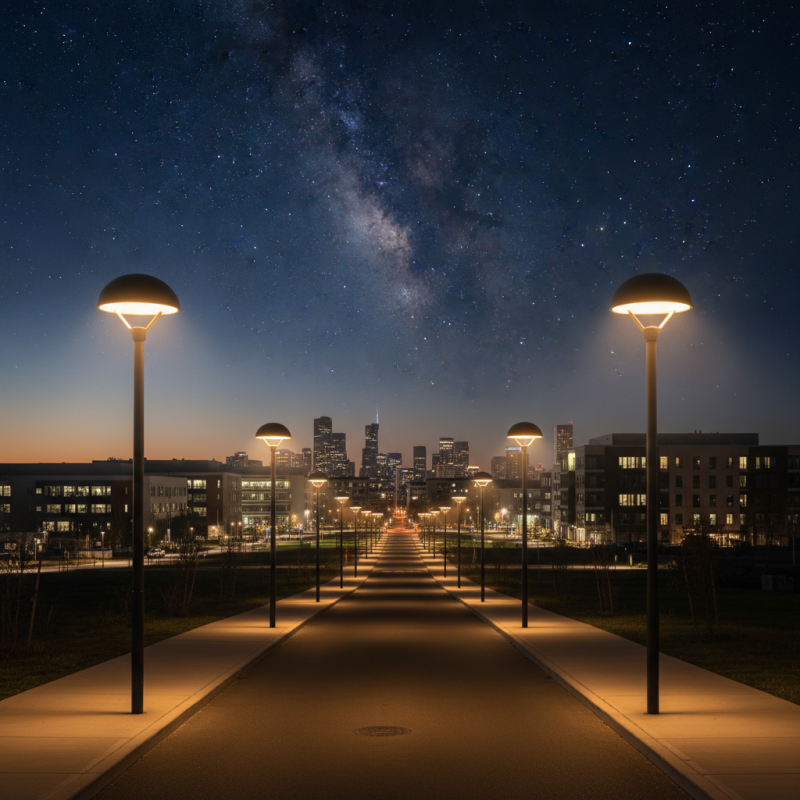
Light pollution is an increasing concern that affects both human health and ecological balance. Excess artificial light disrupts wildlife behaviors, such as mating and feeding. For example, sea turtles can become disoriented by bright lights, leading to reduced hatchling success. Birds may alter their migration patterns due to artificial light, impacting entire ecosystems.
To mitigate light pollution, consider using shielded LED fixtures. These fixtures direct light downward, preventing upper atmosphere glare. Choosing warmer color temperatures can also reduce disruption to nocturnal animals. Make sure to adjust the brightness of outdoor lighting, using only what is necessary.
Tips: Take small steps to lower light pollution on your property. Use timers to turn off unnecessary lights at night. Encourage your community to switch to shielded lighting. Consider planting trees to act as natural light barriers. Combining these techniques can create a more balanced environment for local wildlife.
Light pollution is an escalating concern worldwide. It affects ecosystems, wildlife behavior, and human health. Shielded LED fixtures offer a practical solution to mitigate this issue while providing exceptional lighting. According to the International Dark-Sky Association, around 80% of the world's population lives under light-polluted skies. Utilizing shielded designs can significantly reduce this figure.
These fixtures direct light downward, minimizing glare and preventing light from spilling into unwanted areas. This design not only enhances visibility but also preserves the beauty of the night sky. A study from the University of Utah suggests that areas using shielded lighting can see up to a 50% reduction in skyglow. Reduced light pollution has proven benefits, like improved sleep quality and better wildlife habitats.
**Tip: When selecting fixtures, look for those certified as "dark sky friendly."** This ensures compliance with recommended lighting practices.
Another key benefit is energy efficiency. LED lights consume up to 75% less energy than traditional lighting options. This not only saves money but also reduces carbon footprints. However, it’s essential to ensure proper fixture placement and angle. Misalignment can still contribute to light pollution, drawing attention away from the intended areas.
**Tip: Engage local experts to assess lighting needs and install fixtures appropriately.** They can provide valuable insights to maximize effectiveness. The balance between necessary lighting and preserving the night sky remains a critical discussion. Taking action now can lead to lasting improvement.
The chart above illustrates the significant reduction in light pollution levels measured in Lux before and after the implementation of shielded LED fixtures. The effectiveness of these fixtures in minimizing light spill and enhancing energy efficiency contributes to a cleaner, darker night sky, benefiting both ecology and astronomy.
When addressing light pollution, selecting the right lighting fixtures is crucial. Shielded LED fixtures play a significant role in this effort. These fixtures minimize light spill, directing illumination downward where it's needed. This reduces glare and skyglow, enhancing visibility for both people and wildlife. They are designed to focus light precisely, ensuring that outdoor areas are well-lit without affecting the serene night sky.
Key features of shielded LED fixtures include their cut-off design. This design prevents light from escaping at certain angles. By limiting light emissions, these fixtures help preserve natural habitats. They also contribute to energy efficiency. Many shielded LEDs consume less energy than traditional bulbs. This translates to fewer emissions from power plants, benefiting the environment overall.
Despite their advantages, not all installations achieve optimal results. Poor positioning can still lead to unwanted light drainage. Regular maintenance is essential for effectiveness. Ensuring that fixtures remain clean can enhance their performance. Each installation offers a chance for improvement. The goal should always be to strike the right balance between security and the preservation of our night skies.
| Feature | Description | Benefits |
|---|---|---|
| Full Cut-off Design | LED fixtures that direct light downward, preventing it from spilling into the sky. | Reduces skyglow and improves night sky visibility. |
| High Efficacy | Energy-efficient designs that provide bright light with low wattage usage. | Lowers energy costs and environmental impact. |
| Dimmable Options | Fixtures that can adjust light intensity based on needs. | Provides better control over light levels, further reducing light pollution. |
| Long Lifespan | LEDs with extended operating life requiring less frequent replacements. | Minimizes waste and maintenance costs. |
| Adjustable Angles | Allows users to direct light to specific areas effectively. | Enhances visibility while limiting unnecessary light spread. |
When installing shielded LED fixtures, proper techniques are essential for reducing light pollution. One critical aspect involves choosing the right placement for fixtures. Positioning lights to minimize glare towards roads and residential areas is crucial. According to a 2021 report by the International Dark-Sky Association, over 80% of the world's population lives under light-polluted skies. This data highlights the need for effective installation strategies.
Utilizing appropriate shielding is key. Fixtures should be fully shielded, with downward-facing designs that direct light where it's needed. The American Medical Association has noted that excessive blue light can disrupt sleep patterns. This insight underscores the importance of using warmer color temperatures in residential areas. Additionally, ensuring proper spacing between fixtures can mitigate light spillage. Research shows that poorly spaced lights contribute significantly to sky glow, affecting both wildlife and human health.
Installation of dimming controls allows for adjustments based on environmental needs. Such systems can reduce brightness during late-night hours, further minimizing light pollution. However, not all installations utilize these technologies effectively. A study published in the Journal of Urban Ecology highlighted that communities often overlook this step, resulting in wasted energy and increased environmental impact. Ensuring proper installation and management of shielded LED fixtures can lead to meaningful reductions in light pollution.
Shielded LED fixtures are an excellent choice for reducing light pollution. They direct light downward, minimizing glare and skyward light. However, their effectiveness relies significantly on regular maintenance and optimization. Proper care ensures longevity and efficiency.
One crucial tip is to regularly inspect fixtures for dirt and damage. Dust accumulation can diminish brightness and increase energy usage. Cleaning fixtures every six months can maximize their efficiency.
Optimizing the light output is equally important. Adjusting the intensity based on your needs can reduce unnecessary brightness. Consider using dimmers or timers to control when and how much light is emitted.
Lastly, consider the positioning of your fixtures. They should be placed at appropriate heights and angles to ensure light is focused correctly. Regularly review their placement to avoid any imbalance that could lead to wasted energy and increased pollution. Making adjustments might feel tedious, but these small efforts pay off in the long run.
: Light pollution refers to excessive artificial light disrupting natural darkness. It impacts human health and wildlife.
It disrupts mating and feeding behaviors. For instance, sea turtles can be disoriented by bright lights.
Use shielded LED fixtures to direct light downward. Adjust outdoor lighting brightness and use timers.
They minimize light spill and glare. These fixtures focus light where it's needed, preserving the night sky.
Incorrect placement can lead to unwanted light drainage. Regular review ensures light is focused correctly.
Clean fixtures every six months. Regular checks prevent dirt accumulation and enhance brightness and efficiency.
Yes, dimmers allow you to adjust brightness. This can reduce unnecessary light and its disruptive effects.
Encourage neighbors to switch to shielded lighting. Plant trees as natural barriers for light.
Not all installations perform optimally. Poor positioning can reduce effectiveness, requiring attention and adjustments.
Energy-efficient fixtures lower emissions from power plants. This benefits both the environment and local ecosystems.
Light pollution poses significant challenges to ecological health, disrupting wildlife behavior and affecting human well-being. To address this issue, understanding effective strategies becomes essential. One such method is exploring "how to reduce light pollution with shielded LED fixtures." These specially designed fixtures direct light downward, minimizing skyglow and protecting nocturnal environments.
The benefits of using shielded LED fixtures extend beyond ecological preservation; they provide energy efficiency and longevity, making them a sustainable choice for outdoor lighting. Key features such as proper shielding, brightness control, and durability play vital roles in their effectiveness. For optimal results, it is crucial to install these fixtures correctly and maintain them regularly, ensuring they function efficiently over time. By implementing these strategies, we can significantly mitigate light pollution and foster a healthier ecosystem.

Suvlux Light