Determining the right amount of LED high bay lights for a warehouse can be challenging. The process requires careful consideration of various factors. An effective lighting solution can enhance productivity and safety. To tackle this task, one must ask, "How to calculate the number of LED high bay lights needed for a warehouse?"
Start by assessing the warehouse's size and layout. Understand the height of your ceilings and the areas that need illumination. It is crucial to know the desired light level, measured in lumens per square foot. For example, warehouses often require at least 10-30 foot-candles. Don’t overlook any unique features that might affect lighting needs, such as machinery or storage configurations.
Next, determine the wattage of the LED lights being considered. This affects the total number of fixtures required. You may find that your initial calculations lead to a surprising outcome. The number could be more or less than expected. Refine your approach by consulting with lighting professionals. Their expertise can offer valuable insights. By combining your findings with their recommendations, you will achieve the optimal lighting solution for your warehouse environment.
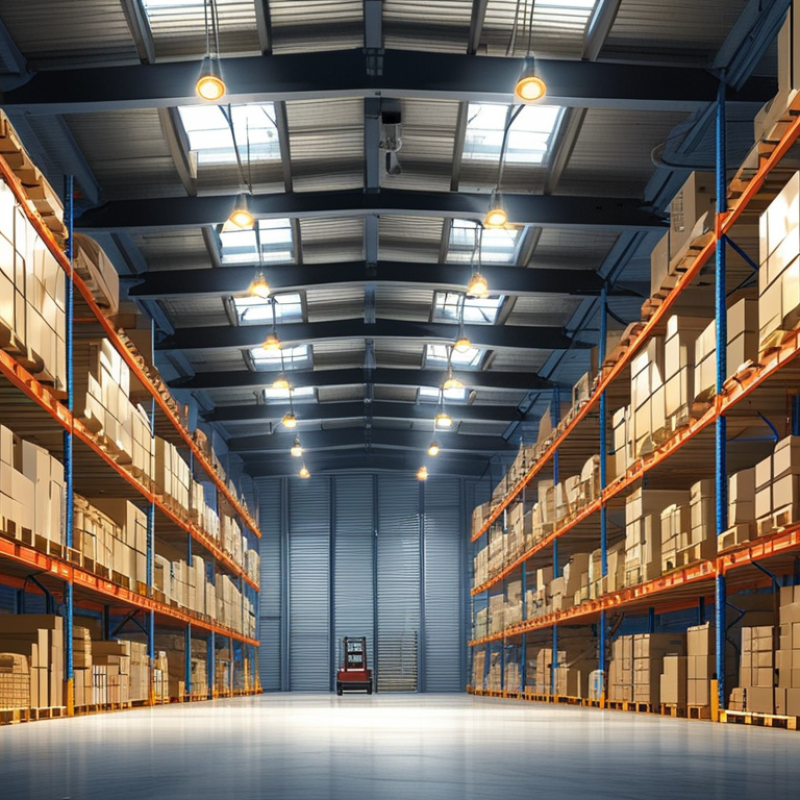
LED high bay lights are essential for efficient warehouse lighting. Understanding their basics helps in making informed choices. These lights are designed for ceilings over 20 feet high. They provide bright, focused illumination needed for large spaces. LED technology ensures energy efficiency and longevity, reducing overall maintenance costs.
A warehouse's layout influences the type of lighting used. The size and height of your space affect the light's placement. Calculating the lumens required for your warehouse can avoid dark spots. Consider the color temperature of the lights too; warmer tones foster a welcoming environment, while cooler tones enhance visibility.
While LEDs are generally reliable, not all products are equal. Some cheaper options may fail prematurely or provide inadequate lighting. Regularly reviewing the performance of your lighting system is crucial. Safety is paramount in warehouses, and proper lighting plays a role in preventing accidents. Investing time in understanding LED high bay lights adds value in the long run.
Evaluating the size and layout of your warehouse is crucial for effective LED high bay lighting. According to the Illuminating Engineering Society, a warehouse typically requires an average of 30-50 foot candles for adequate visibility. This number can vary based on the tasks performed, the color of walls, and the height of shelving.
Start by measuring the total floor area and the height of the ceilings. A larger space may require more fixtures placed evenly to avoid dark spots. For instance, a warehouse with 20-foot ceilings may need lights arranged in a grid pattern. Research indicates that proper spacing can enhance safety and efficiency. Light distribution is equally important; narrow beams are effective for taller shelves, while broader beams work for general areas.
Consider the layout as well. High traffic zones and areas with machinery demand brighter, well-distributed light. Mixed-use spaces may have varying requirements, making it difficult to achieve a one-size-fits-all solution. Conducting a lighting audit can identify areas that may need extra attention. Sometimes, energy assessments suggest using fewer fixtures with higher efficiency rather than a higher number of standard units, pointing towards reflective materials as well. In the end, thoughtful evaluation ensures compliance with safety standards while reflecting operational needs.
Calculating the required lumens for illuminating your warehouse effectively is crucial. A well-lit space enhances productivity and safety. A recent industry report suggests that an average warehouse requires about 300 lumens per square meter for general tasks. However, this may vary based on the tasks at hand. High-bay lighting systems are often used in warehouses, especially in spaces with high ceilings.
It's important to consider the area's specific function. For example, areas with intricate work may need up to 500 lumens per square meter. In contrast, open storage spaces can function adequately with 200 lumens. Using LED high bay lights ensures energy efficiency while meeting the lumen requirements. These lights can reduce energy consumption by up to 60%, making them a cost-effective solution.
However, challenges arise when determining the exact number of fixtures needed. Misjudging the lumen output can lead to either under- or over-illumination. This can affect worker comfort and performance. It's advisable to consult lighting professionals for precise calculations tailored to your space. Proper planning and understanding of your warehouse’s needs can significantly enhance illumination quality.
Choosing the right color temperature and beam angle for LED high bay lights is crucial for warehouse efficiency. Color temperature significantly impacts the visual environment. A cooler white light (5000K–6500K) enhances alertness and visibility, ideal for detail-oriented tasks. In contrast, a warmer light (3000K–4000K) creates a cozy atmosphere, which may suit less dynamic operations. The Illuminating Engineering Society states that the optimal color temperature improves productivity by up to 20%.
Beam angle also plays a vital role. A narrow beam angle concentrates light in specific areas. This is valuable for tasks requiring precision, such as assembly lines. Conversely, a wider beam angle provides more general illumination, suitable for expansive areas like storage. According to industry studies, a 60-degree beam angle can achieve 30% higher light distribution compared to narrower angles, reducing dark spots.
However, choosing color temperature and beam angle should not be taken lightly. Overly bright lighting can cause glare and discomfort, impacting worker productivity negatively. Research has shown that improper lighting conditions can decrease worker efficiency by approximately 15%. Regular assessments and adjustments may be necessary to find the ideal balance for various tasks.
When assessing energy efficiency and cost benefits of LED high bay lights, it’s crucial to gather reliable data. Start by evaluating the current lighting system. Identify the wattage, bulb lifespan, and maintenance costs. This analysis will provide a baseline for comparison.
LED high bay lights typically consume 50% less energy than traditional options. This efficiency translates into substantial savings on electricity bills.
Consider the long lifespan of LED lights. They last up to 50,000 hours, reducing replacement frequency. Fewer replacements mean lower maintenance costs and less waste. It’s essential to factor in these savings when estimating overall costs. A well-calculated investment in LED can pay off in a few years.
Reflect on your facility's specific lighting needs. Think about the height of the ceilings and layout. This can affect light distribution and intensity. Ensure that the chosen LEDs meet the required brightness levels. Inaccurate assessments can lead to over- or under-lighting, which affects both safety and productivity. Ultimately, a careful evaluation of energy efficiency and costs will lead to informed decisions.
: LED high bay lights are designed for efficient lighting in warehouses with ceilings over 20 feet high.
The warehouse's size and height influence how lights are placed to avoid dark spots and ensure adequate illumination.
A typical warehouse needs around 300 lumens per square meter for general tasks, though this may vary.
Warmer tones create a welcoming space, while cooler tones improve visibility and help with detailed tasks.
Regularly review lighting performance. If issues arise, adjustments may be needed to enhance safety and productivity.
Yes, LED high bay lights can reduce energy consumption by up to 60%, leading to lower maintenance expenses.
Misjudging lumen output can cause under- or over-illumination, affecting comfort and worker performance.
Accurate calculations tailored to the space enhance quality. Consulting experts is advisable for best results.
Not necessarily. Open storage areas might work well with only 200 lumens, depending on the tasks performed.
Ignoring the system might lead to safety risks and lower productivity. Regular checks and adjustments are key.
When considering "How to calculate the number of LED high bay lights needed for a warehouse?", it is essential to understand the fundamental aspects of LED high bay lighting. This includes evaluating the size and layout of your warehouse to determine lighting requirements effectively. Calculating the appropriate lumens needed for optimal illumination is crucial, as it directly influences visibility and safety within the workspace.
Furthermore, selecting the right color temperature and beam angle enhances the application of lighting tailored to specific areas of the warehouse. Finally, assessing the energy efficiency and cost benefits of LED high bay lights can lead to significant savings in the long run while contributing to a well-lit and productive environment. Together, these considerations will ensure that your warehouse is adequately illuminated while maximizing the advantages of LED technology.

Suvlux Light