Solar flood lights have gained popularity for their energy efficiency and eco-friendliness. However, maintaining their performance requires regular cleaning of the solar panels. A clear understanding of how to clean solar flood light panels without scratching them is essential. According to a recent study by the International Renewable Energy Agency, properly maintained solar panels can improve efficiency by up to 20%.
Experts recommend a gentle approach. "Using abrasive materials can harm the panel surface and reduce efficiency," says Dr. Emily Chen, a solar energy specialist at GreenTech Innovations. This underscores the need for effective cleaning techniques that are safe and thorough.
Imperfect cleaning methods can leave streaks or scratches that diminish performance. Therefore, it’s crucial to use soft cloths and appropriate cleaning solutions. Ensuring that solar panels are clean not only enhances light output but also prolongs their lifespan. By understanding the correct procedures, users can avoid common pitfalls and maintain the optimal function of their solar flood lights.
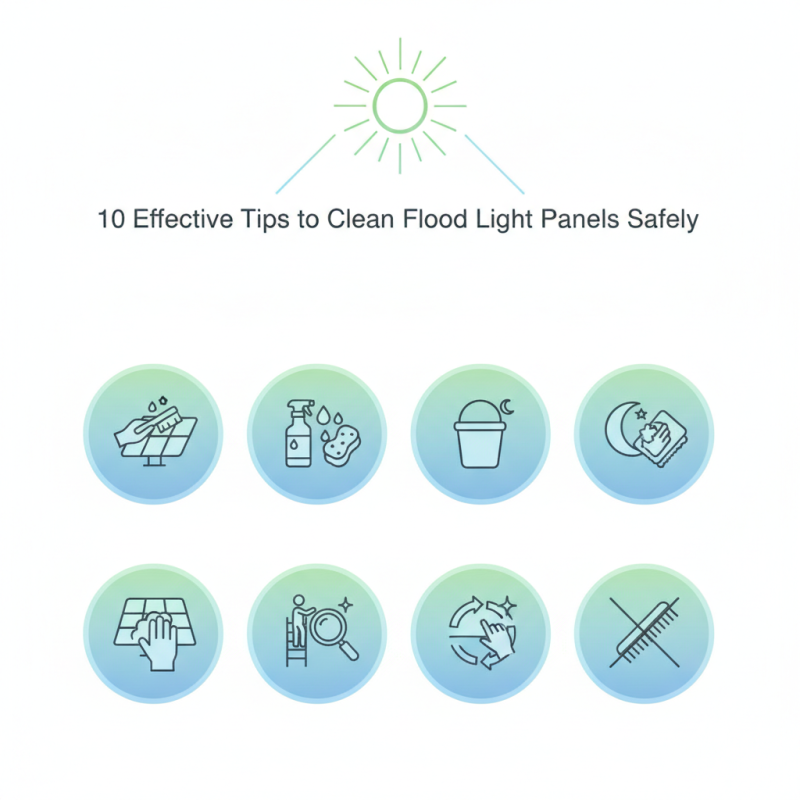
Cleaning solar flood light panels is essential for maintaining their efficiency. Dust, dirt, and debris can accumulate on the surface, blocking sunlight and reducing power output. When you neglect cleaning, the lights may dim or even fail. This can lead to increased energy costs, as the system works harder to produce the same amount of light. Therefore, understanding the importance of keeping these panels clean cannot be overstated.
Regular maintenance not only enhances performance but also extends the lifespan of the fixtures. Ideally, cleaning should be done every few months, depending on environmental conditions. A gentle wash with water and a soft cloth can do wonders. However, it’s crucial not to use abrasive materials that could scratch the surface. Many people overlook this detail, risking damage that could lead to costly replacements. Remember, the goal is to maximize energy absorption, so take time to reflect on your cleaning habits.
To clean solar flood light panels effectively, gathering the right tools and supplies is crucial. Start with a microfiber cloth. It attracts dust and grime without scratching the surface. According to industry reports, using a microfiber cloth can improve efficiency by up to 30%.
Next, obtain a soft-bristle brush. This will help remove stubborn debris without damaging the panels. A brush can also reach into crevices where dirt tends to accumulate.
You will need a bucket of warm water mixed with mild soap. Avoid harsh chemicals. They can degrade the panel materials over time. Reports indicate that commercial cleaning solutions can leave residue, reducing light output by 10% or more. Rinse the panels thoroughly with clean water after washing. This step is essential to prevent streaks.
A squeegee can help eliminate excess water. However, using it improperly can lead to scratches. As with any cleaning task, prepare for some trial and error. It’s possible to miss spots or use too much pressure. Adjusting your technique over time will yield better results.
Cleaning solar flood light panels is essential for maintaining efficiency. Dust and debris can accumulate, blocking sunlight. A clean panel can increase energy absorption by up to 30%, according to the Solar Energy Industries Association. This means regular cleaning is not just about aesthetics; it directly impacts performance.
To safely clean your solar panels, start by turning off the system. Use a soft brush or microfiber cloth to gently remove loose dirt. A gentle detergent mixed with water can help tackle tougher grime. Use a hose to rinse off the soap, but avoid high-pressure water, which can damage the seals. Cleaning should ideally occur in the morning or late afternoon to prevent water from evaporating too quickly.
After cleaning, inspect the panels for any signs of damage. Cracks or cloudy surfaces may need professional evaluation. Solar panels can last 25 years or more, but proper maintenance is crucial. A little care now can assure your lights work effectively for years. Regular cleaning can seem tedious, but neglecting it can lead to costly repairs. Consumer reports suggest that regular maintenance enhances lifespan and efficiency, so it’s worth the effort.
This bar chart illustrates the effectiveness of various cleaning methods for solar flood light panels, based on user feedback. Each method is rated on a scale of 1 to 10, with 10 being the most effective.
Maintaining solar flood light efficiency is crucial for optimal performance. Studies show that dirty panels can reduce energy output by up to 20%. Regular cleaning is essential. Dust, debris, and bird droppings impact light absorption, leading to diminished functionality. Use a soft cloth and mild cleaner, avoiding abrasive materials that could scratch the surface.
In addition to cleaning, positioning is vital. Install lights in areas with maximum sunlight exposure. A report from the Solar Energy Industries Association highlights that optimal placement can increase efficiency by 30%. Moreover, regular inspection helps identify any wear and tear. Faulty wiring can cause safety hazards and reduce lifespan.
Remember, neglecting maintenance can lead to higher replacement costs. Inconsistent performance from dirty panels could go unnoticed until it’s too late. Seasonal checks ensure you catch these issues early. Create a maintenance schedule that includes cleaning, inspections, and repositioning if necessary. Prioritize these best practices to enhance the longevity and effectiveness of your solar flood lights.
Cleaning solar flood light panels is essential to maintain their efficiency. According to recent industry reports, clean panels can enhance solar energy absorption by up to 30%. Over time, dust, dirt, and bird droppings accumulate. This layer reduces the amount of sunlight reaching the solar cells.
Most experts recommend cleaning panels every 1-2 months, especially if located in dusty or high-pollution areas. If you notice reduced brightness, it might indicate a need for cleaning. Remember, too much buildup can lead to long-term damage.
When cleaning, use a gentle touch. A soft cloth or sponge works best. Avoid abrasive materials, as they can scratch the surface. It’s a good idea to rinse with clean water to prevent streaks. Always check for any cracks or signs of wear after cleaning. This practice not only extends the life of the panels but ensures optimal performance. Regular maintenance can save significant energy costs over time.
| Tip Number | Cleaning Tip | Frequency |
|---|---|---|
| 1 | Use a soft microfiber cloth to avoid scratches. | Monthly |
| 2 | Clean with water only on cloudy days. | As needed |
| 3 | Avoid using harsh chemicals that can damage the panel. | Every cleaning |
| 4 | Rinse the panel with clean water after cleaning. | Every cleaning |
| 5 | Check for dirt buildup regularly. | Weekly |
| 6 | Use a gentle, non-abrasive brush for stubborn stains. | As needed |
| 7 | Inspect the sealing and connectors after cleaning. | Monthly |
| 8 | Clean during cooler times of the day to prevent water spots. | Every cleaning |
| 9 | Consider using vinegar for tough grime. | As needed |
| 10 | If possible, tilt the panel to allow dirt to slide off. | Weekly |
: Cleaning increases energy absorption by up to 30%. Dust and debris block sunlight, reducing efficiency.
Clean them every 1-2 months. This is especially important in dusty or high-pollution areas.
Early morning or late afternoon is ideal. Avoid cleaning when it’s too hot; water may evaporate quickly.
Use a soft brush or microfiber cloth. Gentle detergent mixed with water can help with tough grime.
No, avoid high-pressure water. It can damage the seals and surface of the panels.
Inspect for cracks or cloudy surfaces. These may require professional evaluation to prevent long-term damage.
Yes, regular maintenance extends the life and efficiency of the panels. Neglect can lead to costly repairs.
Reduced brightness may indicate dirt buildup. This is a sign that cleaning is needed.
Avoid abrasive materials. They can scratch and damage the surface of the solar panels.
Rinse with clean water after washing. This prevents streaks and helps enhance performance.
Cleaning solar flood light panels is essential for maintaining their efficiency and longevity. The article emphasizes the importance of understanding how to clean solar flood light panels without scratching them. To achieve this, it guides readers through gathering the necessary cleaning tools and supplies, and provides step-by-step instructions to ensure a safe cleaning process. Additionally, best practices for maintaining the efficiency of solar flood lights are discussed, along with recommendations on how often to perform cleaning. Following these tips will help ensure the panels remain in optimal condition and continue to function effectively.

Suvlux Light