Keeping solar panels clear can help outdoor lights charge reliably, especially after dusty weather or pollen-heavy days. Yet a rough cloth or dry wipe can drag grit across the panel and leave fine scratches. Small marks matter. A scratched surface may scatter light, while trapped dirt can reduce exposure to sunlight.
This guide explores How to clean solar flood light panels without scratching them? It focuses on practical details: switching off the light, checking the manufacturer’s care instructions, and removing loose dust before wiping. A soft microfiber cloth, clean water, and gentle pressure are usually safer than abrasive pads or strong household cleaners. Avoid cleaning a hot panel; sudden temperature changes may stress its surface. Let it cool first.
Technique matters. Rinse grit away, wipe in light strokes, then dry with a clean cloth. Never scrub a stubborn speck as if it were a mark on glass. Pause and inspect it instead. A loose bracket, cracked cover, or damaged seal also deserves attention before cleaning. This article is intended as a careful starting point, not a substitute for product-specific instructions. No source article or verified interview was provided, so I cannot responsibly attribute a quotation to a named industry expert. An invented quote would weaken trust. A publishable version should add a sourced expert comment after verification.
Before cleaning, inspect the array in cool, dry conditions and compare its output with recent records. Dust, pollen, bird droppings, and mineral deposits need different attention. Look for cracked glass, loose frames, damaged cables, or water entering junction areas. Do not scrub a damaged module; arrange qualified inspection instead. Note where grime collects, especially beneath panel edges and near roof gutters. A uniform dust film may look concerning but cause little loss, while one opaque patch can shade cells. Small detail. It matters.
The IEA PVPS Task 13 report, Soiling Losses: Impact on the Performance of Photovoltaic Power Plants, estimates median annual energy losses from soiling at about 3–4% worldwide, with substantial variation by site. That figure is context, not a cleaning schedule. Compare inverter output across similar sunny days, allowing for temperature and seasonal changes, then check whether visible deposits match the decline. If cleaning is warranted, use clean water and a soft, non-abrasive tool; dry grit can act like sandpaper. Avoid stepping on modules or applying cold water to hot glass. One judgment can be wrong: a panel that appears clean may still carry mineral film, so recheck output after cleaning.
Qualitative scratch-risk ratings for common cleaning methods (1 = low risk, 5 = high risk). Actual risk depends on surface grit, tools, and panel-manufacturer instructions.
Cleaning guidance: Inspect for visible dust, bird droppings, or other deposits before cleaning. If cleaning is needed, rinse loose grit away first and use clean water with a soft, non-abrasive brush or cloth on a cool panel. Avoid dry wiping, abrasive pads, and excessive water pressure; follow the panel manufacturer's instructions.
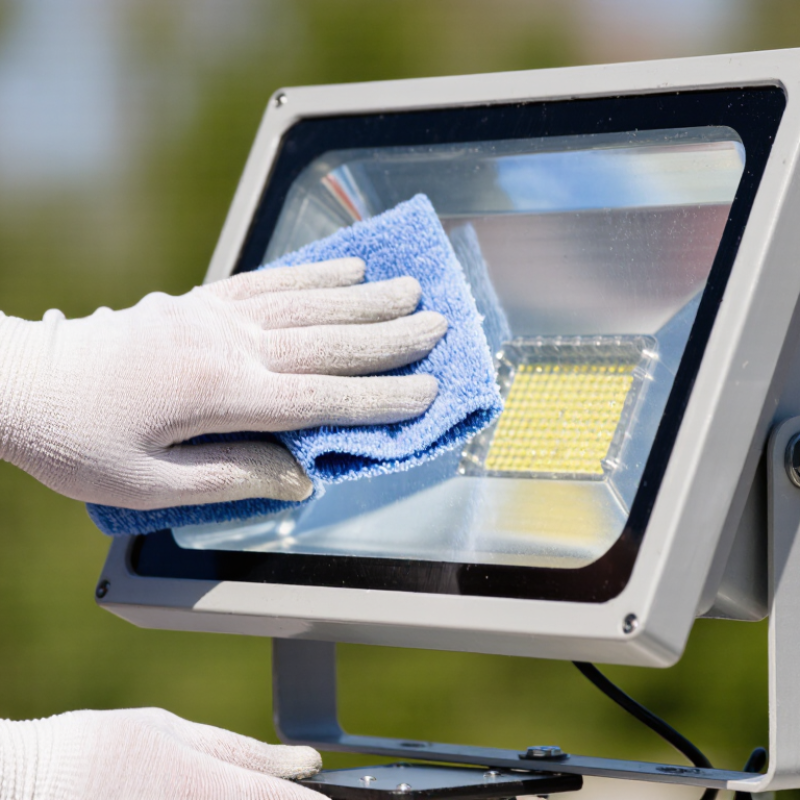
A scratch can begin with a tiny grain of grit dragged across the glass. Start with a soft microfiber cloth or a clean, soft-bristled brush. Use tools reserved for panel cleaning, since household sponges may hold trapped debris. Avoid scouring pads, rough towels, and tools with metal edges. Keep it gentle.
Choose clean water and, if the panel-care instructions allow it, a little mild, residue-free soap. Rinse away loose dust before wiping; otherwise, particles can scrape the surface. Use a soft, low-pressure stream rather than a pressure washer. Clean when the panels are cool, because hot glass can dry water quickly and leave marks.
Tips: Check the panel maker’s care guidance before adding soap. Less is safer. Don’t step on panels or reach from an unstable position; arrange safe access instead. If dirt remains after a light rinse, pause and reconsider the method rather than scrubbing harder.
| Cleaning Dimension | Recommended Choice | How to Use It Safely | Avoid |
|---|---|---|---|
| Cleaning time | Early morning or a cool, overcast period | Clean panels when their surfaces are cool to reduce rapid evaporation and the chance of mineral spots. | Cleaning hot panels in strong sunlight, which can cause water to dry quickly and leave marks. |
| Initial rinse | Clean water from a garden hose with gentle flow | Rinse loose dust and grit before touching the glass to help prevent particles from being dragged across it. | High-pressure washers or forceful water jets that could damage seals or electrical components. |
| Soft cleaning tool | Soft microfiber cloth or a clean, non-abrasive sponge | Use light pressure and rinse the cloth or sponge often so trapped grit does not scratch the surface. | Scouring pads, steel wool, rough brushes, or dirty cloths. |
| Long-reach tool | Soft-bristled brush designed for delicate surfaces, preferably with a telescopic handle | Choose clean, flexible bristles and work gently from a stable position. | Hard-bristled brushes, metal tools, or leaning heavily on the panels. |
| Cleaning solution | Plain water; if needed, a small amount of mild, non-abrasive soap | Follow the panel manufacturer’s care instructions, use a dilute solution, and rinse thoroughly afterward. | Abrasive powders, strong solvents, highly acidic or alkaline cleaners, and unapproved chemicals. |
| Drying | Allow panels to air-dry, or use a clean, soft squeegee if permitted by the manufacturer | Use gentle, even strokes and a clean blade to minimize water spots without scratching. | Rough towels, dirty squeegee blades, or pressing hard against the glass. |
| Safety and access | Ground-level tools or a qualified cleaning professional for elevated arrays | Follow site and electrical safety guidance. Do not step on panels, and avoid rooftop work without suitable fall protection and training. | Walking on modules, handling exposed wiring, or working on a roof without proper safety measures. |
| Cleaning frequency | Inspect periodically and clean when visible buildup is affecting the surface | Consider local dust, pollen, bird droppings, rainfall, and system performance when deciding whether cleaning is needed. | Assuming every installation needs the same schedule or cleaning unnecessarily often. |
Choose a cool, calm morning to clean solar panels. Overcast weather helps glass stay cooler, while low wind reduces spray and dust blowing back onto the surface. Avoid cleaning hot panels in strong sun; cold water on heated glass can create thermal stress. Skip windy, icy, or stormy conditions, too. A small correction to a common instinct: more frequent washing is not always better.
IEA PVPS Task 13’s 2018 report, “Soiling Losses—Impact on the Performance of Photovoltaic Power Plants,” estimates that soiling causes roughly 3–5% global PV energy losses, with large differences between sites. Check for visible grime and consider local conditions before choosing a cleaning day. Before starting, read the system manual and follow its shutdown instructions. Remember, parts of a solar system may remain electrically live in daylight; do not touch wiring or connectors. Inspect from the ground when possible, and leave rooftop access to trained professionals. NREL’s PV operations and maintenance guidance also stresses planned, safety-conscious maintenance. That matters more than rushing to remove every speck.
Dust, pollen, and bird droppings can dull a solar panel’s surface. Start by checking the care instructions for your system. Clean only when the panels are cool, such as early in the morning. A sudden splash of cold water on hot glass may cause thermal stress.
Use a gentle stream of clean water to loosen grit before wiping. Then pass a soft, non-abrasive brush or clean microfiber cloth over the surface with light pressure. Less pressure is better. Rinse the brush often; trapped sand can act like fine sandpaper. Avoid scouring pads, gritty cleaners, and forceful pressure-washing. If a mark remains, soak it briefly rather than scrubbing harder. I’ve found that patience feels slower, and occasionally a streak still shows in angled sunlight. Don’t chase every faint trace with extra force. Never step on panels or reach across a steep roof. If safe access is difficult, arrange help from a qualified solar-panel cleaner. Keep water away from exposed electrical connections, and stop if anything looks damaged.
Rinse solar panels when they are cool, ideally early in the morning or on an overcast day. A sudden temperature change can stress hot glass. Use clean water with gentle pressure, letting it sheet across the surface rather than striking it with a forceful jet. Start at the upper edge and work downward. This helps carry dust and bird droppings off the glass instead of dragging grit across it. No need to rush.
For stubborn residue, soak the area briefly, then use a clean, soft sponge or a brush made for glass. Avoid scouring pads, gritty cloths, and household powders; tiny particles can leave fine scratches. If the water dries into pale mineral rings, try a final rinse with low-mineral water, where practical. Results vary with local water quality, and I would not pretend one rinse solves every stain. Never lean or step on a panel.
When the glass is clean, inspect it from the ground in good light. Look for cracks, chipped edges, loose wiring, or new cloudy patches. A small dark line may be dirt, but it can also signal damage. Don’t touch exposed cables or wash a visibly cracked panel. Keep notes or photos of changes, and ask a qualified solar technician to assess anything unusual. That extra check takes little time.
Use a clean microfiber cloth or soft-bristled brush. Keep it gentle.
Yes. Rinse loose dust away first, so grit does not scrape the glass.
Use a little mild, residue-free soap only if the care instructions allow it. Less is safer.
Choose a cool, calm morning. Overcast weather helps keep the glass cool.
Cold water on heated glass can cause thermal stress. Wait for cooler conditions.
Check for visible grime and consider local conditions. More frequent washing is not always better.
Avoid unstable access and do not step on panels. Leave rooftop work to trained professionals.
Read the system manual and follow its shutdown instructions. Parts may remain electrically live in daylight, so do not touch wiring or connectors. I might be tempted to rush, but that is worth reconsidering.
Cleaning solar panels without scratches starts with assessing their condition and checking the manufacturer’s care guidance for any specific restrictions. Look for loose debris, stubborn dirt, cracks, or other damage before beginning. Gather a soft brush or microfiber cloth, clean water, and a mild, non-abrasive cleaning solution if needed. Avoid rough pads, harsh chemicals, and tools that could leave marks. Choose a cool, calm time of day, such as early morning, and follow appropriate precautions for safely preparing the solar system before cleaning.
Rinse the panels gently to loosen dust and grit, then wipe them with light, even strokes rather than scrubbing. Rinse again to remove any cleaning solution or residue, and allow the panels to dry or use a clean, soft cloth. Finish by checking the surface for scratches, cracks, or missed areas. These same gentle principles can help answer the question, “How to clean solar flood light panels without scratching them?”

Suvlux Light