 Suvlux Light
How to Identify Common Causes of Solar Light Battery Failure?
Solar-powered lights have gained popularity due to their energy efficiency and environmental benefits. However, many users experience unexpected battery failures in these systems. A recent study found that approximately 30% of solar light users report issues related to battery performance. This raises the important question: "What are the common causes of solar light battery failure?"
Battery failure can result from several factors, including poor quality components and improper installation. Low-quality batteries often fail prematurely, leading to abbreviated performance. Additionally, exposure to extreme temperatures can significantly impact battery life. Research indicates that temperature fluctuations can reduce battery efficiency by up to 50% over its lifespan. Users often overlook these details, resulting in frustrations and additional costs.
Understanding the reasons behind battery failure is crucial for improving solar light reliability. By identifying and addressing these common issues, consumers can extend the life of their solar lights. This insight emphasizes the importance of choosing high-quality batteries and ensuring proper installation. As we delve deeper into this topic, exploring these causes will provide valuable guidance for users seeking to enhance the performance of their solar lighting systems.
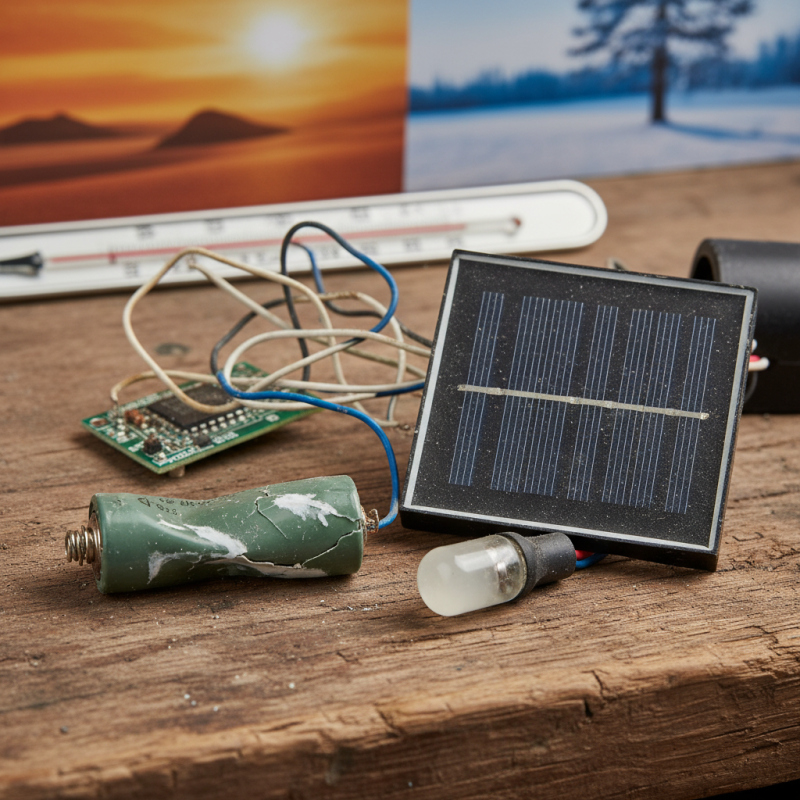
Common Signs of Solar Light Battery Failure
Identifying common signs of solar light battery failure is essential for maintaining reliable outdoor lighting systems. One significant indicator is diminished brightness. If your solar lights seem less luminous than before, it could mean the battery is no longer holding a sufficient charge. According to a study from the Solar Energy Industries Association, battery performance can degrade significantly after 500 charge cycles, leading to reduced efficiency.
Another crucial sign is a shorter operational time. If your solar lights are turning off earlier than usual, it indicates the battery may be losing its ability to store energy. Research suggests that poor battery performance can contribute to an average lifespan reduction of over 30%. Additionally, you might notice physical swelling or discoloration in the batteries. This issue may result from overcharging or high temperatures, leading to potential hazards.
In some cases, a complete failure to charge indicates a more serious problem. It could stem from a faulty solar panel, but often the root cause lies within the battery itself. Regular inspections are vital. Keep an eye on how your solar lights perform throughout different seasons. Inconsistent functioning may hint at underlying battery issues, demanding careful attention and timely corrective measures.
How to Identify Common Causes of Solar Light Battery Failure? - Common Signs of Solar Light Battery Failure
| Cause of Failure | Description | Signs | Preventive Measures |
|---|---|---|---|
| Overcharging | Excessive voltage can damage the battery. | Battery swelling, reduced discharge time. | Use a charge controller. |
| Deep Discharge | Draining the battery too much can shorten its life. | Lights dimming or flickering. | Monitor battery usage and charge regularly. |
| Temperature Extremes | High heat or severe cold can damage batteries. | Battery leaks, reduced capacity. | Install in a temperature-regulated area. |
| Aging | Batteries have a limited lifespan. | Decreased performance over time. | Replace batteries every few years. |
| Poor Quality | Low-quality batteries may fail prematurely. | Frequent malfunctions or replacements. | Choose reputable brands. |
FAQS
: Clean your solar panels at least once a month. Dust can block sunlight and reduce energy generation.
Use a soft cloth and gentle soap. This prevents scratches and keeps the panels effective.
Store batteries indoors in a controlled environment. Extreme temperatures can reduce their lifespan.
Check for loose or corroded connections. This can prevent proper charging and cause battery failure.
If the lights stay illuminated for shorter periods, it may indicate the battery needs replacement.
Monitor how long your lights stay on each night. Keeping a log may help identify performance patterns.
Dirt, debris, or shadowing on the panels can reduce efficiency. Regular cleaning is crucial to maintain performance.
Most solar batteries last between 2 to 5 years. An old battery may hold less charge and require testing.
Inspect both battery connections and solar panels. Regular checks can reveal hidden problems affecting performance.
Neglecting regular inspections can lead to significant problems. Small actions today can improve long-term battery life.
Conclusion
In examining solar light battery issues, one must consider several key aspects to answer the question, "What are the common causes of solar light battery failure?" Common signs of battery failure include diminished light output, rapid discharge, or inability to hold a charge. Various environmental factors, such as extreme temperatures, humidity, and prolonged exposure to sunlight, can significantly affect battery life.
Understanding the different battery types used in solar lights is crucial, as some are more susceptible to failure than others. To extend battery lifespan, regular maintenance, including cleaning solar panels and ensuring proper installation, is recommended. In the event of battery issues, implementing troubleshooting steps can help identify and resolve problems effectively, ensuring the solar lights function optimally for a longer period.
