LED flood lights are popular for their efficiency and brightness. However, many users experience an annoying issue: flickering when turned on. Why is my LED flood light flickering when turned on? This question often puzzles homeowners and businesses alike.
Expert electrical engineer Dr. Jane Thompson offers insight into this concern. She notes, "Flickering usually signals an underlying electrical problem." Understanding the causes behind this flickering can help users find effective solutions. Often, it can result from inconsistent power supply or incompatible dimmer switches. In some cases, faulty wiring may be to blame.
Recognizing the specifics of your installation is crucial. If your LED flood lights flicker, a simple inspection can lead to identifying the issue. It’s essential to consider not only the type of bulb but also the fixtures and circuits involved. Many people overlook these factors, leading to unresolved flickering. Understanding these details can significantly improve your lighting experience.
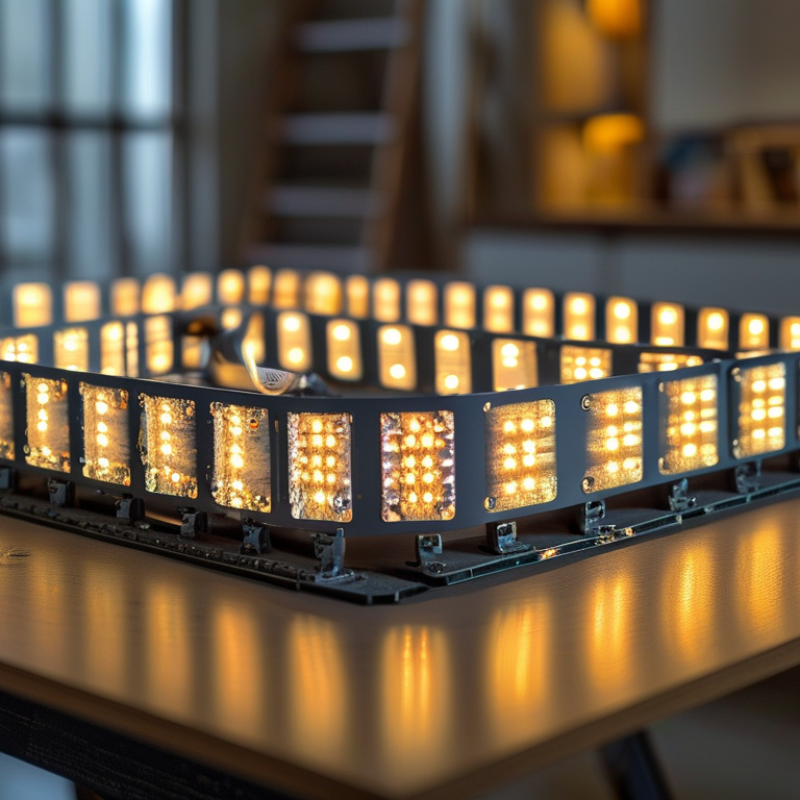
LED flood lights have transformed outdoor lighting. Their efficiency and longevity make them popular. However, flickering can sometimes occur when they are turned on. This usually stems from their electronic components.
Understanding how these lights work involves grasping the role of drivers. LED flood lights utilize drivers to regulate power. If a driver is faulty or incompatible, flickering can happen. According to a 2021 report by the Lighting Research Center, nearly 10% of users experience flickering issues with LEDs. This highlights the importance of quality components in the overall functionality of these lights.
When choosing LED flood lights, consider compatibility with existing systems. Low-quality drivers can amplify flickering effects. Inspect wiring and connections regularly, ensuring no loose ends. Regular maintenance can prevent unexpected issues. Lastly, always refer to technical specifications before installation, as they often contain helpful information about flicker rates and compatibility.
Flickering in LED flood lights can be frustrating and often stems from several common causes. One major factor is the compatibility of the light fixtures with the dimmer switches. Not all LED lights work well with standard dimmers. When the right combination isn't used, the lights can flicker inconsistently when turned on. A quick inspection of the dimmer's specifications can help identify if it's suitable for LED bulbs.
Another reason for flickering is voltage fluctuations. If the electrical supply is unstable, lights may not receive a consistent energy flow, causing them to blink or flicker. This is especially common in older buildings with outdated wiring. In addition, if multiple high-wattage appliances are used simultaneously on the same circuit, sudden changes in power demand can lead to flickering. Regularly checking the integrity of the wiring can prevent these issues and ensure a more reliable lighting experience.
Lastly, loose connections can cause intermittent flickering. When wires are not securely connected, the electrical current flows unevenly. Regular maintenance and proper installation of fixtures can mitigate this problem. It’s always essential to ensure connections are secure to enhance both safety and performance. Observing these details will help maintain your LED flood lights and prevent flickering.
LED flood lights are increasingly popular due to their energy efficiency. However, flickering remains a common issue. A major cause of flickering is fluctuations in the power supply. When the voltage supplied to the bulbs varies, it affects their functioning. This can be particularly noticeable during peak demand times when the energy load fluctuates.
Voltage fluctuations can stem from a variety of sources. For instance, heavy appliances in a home may pull too much energy, causing a temporary dip. These sudden changes disrupt the steady current needed for LED lights. Moreover, the quality of the power source plays a crucial role. Low-quality or older electrical systems may not manage voltage as effectively, leading to more flickering issues.
Addressing flickering isn't straightforward. Even when you install high-quality LED fixtures, an erratic power supply can continue to cause problems. Homeowners may need to consider upgrading their electrical systems to achieve better stability. In some cases, seeking professional advice can help in identifying the root cause of voltage inconsistencies. Recognizing these issues is the first step toward resolving unwanted flickering in LED flood lights.
Dimming controls significantly affect LED performance. They can introduce flicker in LED flood lights. A study by the National Electrical Manufacturers Association (NEMA) highlights that improper dimming can lead to issues like inconsistent light output. This results in disturbances during use, particularly in settings with low light levels.
Flicker often occurs with incompatible dimmers. An analysis from the Center for Energy and Climate Solutions states that 40% of LED installations experience flickering due to outdated dimming technology. Older dimmers, designed for incandescent bulbs, struggle with modern LED systems. This leads to performance issues that can be frustrating for users.
Moreover, recent data from the Illuminating Engineering Society indicates that dimmers can reduce light quality. Incompatibility causes variations in voltage and current, leading to a pulsed light output. This not only affects aesthetics but can also impact eye strain and overall comfort. Proper matching of LED lights with modern dimming systems is essential for optimal performance. Understanding these factors can help users make informed choices.
Flickering is a common issue with LED flood lights, often causing frustration for users. One primary reason for this flickering is incompatible dimmers. According to a report from the Lighting Research Center, up to 20% of LED lights can experience flickering due to outdated dimming technology. When LED flood lights are paired with dimmers not designed for them, the result can be distracting flickers.
Another potential cause is fluctuations in voltage. A study by the National Electrical Manufacturers Association revealed that inconsistent voltage levels can lead to flickering as well. If the electrical supply fluctuates more than 5%, it could affect the light output stability. Monitoring your electrical system could help identify if this is the underlying issue.
Lastly, poor connections in wiring can also cause disruptions. Loose or corroded connections may lead to intermittent flickering. Ensuring that all connections are secure and well-maintained is crucial. Regularly inspecting the wiring for signs of wear or corrosion can prevent these issues.
Consider consulting a licensed electrician for thorough evaluations if flickering persists. Always prioritize safety and efficiency in your lighting systems.
: Flickering usually results from faulty or incompatible drivers in the lighting system.
Nearly 10% of users report experiencing flickering issues with LED lights.
Check compatibility with existing systems and ensure high-quality drivers to minimize flickering.
Dimming can introduce flicker and cause inconsistent light output, especially in low light conditions.
Older dimmers designed for incandescent bulbs struggle with modern LEDs, causing performance issues.
Regular inspections of wiring and connections help prevent flickering and other unexpected issues.
Yes, outdated dimmers can affect voltage and current, leading to variations in light quality and comfort.
Flickering can create discomfort and eye strain, particularly in low-lit environments.
Yes, technical specifications provide crucial information on flicker rates and compatibility.
Use high-quality drivers and ensure compatibility between your LED lights and dimming systems.
LED flood lights are widely used for their efficiency and longevity, but users often encounter the issue of flickering when these lights are turned on. Understanding the functionality of LED flood lights is crucial, as flickering can be attributed to several common causes. Key factors include voltage fluctuations, which may arise from an unstable power supply, and the presence of dimming controls that may not be compatible with LED technology.
When asking, "Why is my LED flood light flickering when turned on?" it's important to consider these elements. Troubleshooting techniques, such as checking the power source and ensuring appropriate dimmers are used, can help prevent flickering and enhance the performance of LED flood lights. By addressing these issues, users can enjoy consistent and reliable illumination from their lighting systems.

Suvlux Light