Maintaining solar panels on street lights in dusty areas is crucial for optimal performance. Dust accumulation can significantly hinder energy production. Therefore, understanding how to maintain solar panels on street lights in dusty areas is essential for ensuring their longevity and efficiency.
Numerous factors influence the upkeep of these systems. For instance, the frequent need for cleaning due to harsh environmental conditions can become a challenge. In addition, using the right cleaning materials is vital. Improper tools may scratch the surface, leading to further issues. Regular inspections can also help identify potential problems early on. It's important to reflect on the common mistakes many make in this process.
Investing time in proper maintenance not only maximizes energy output but also ensures public safety. Dusty environments require a proactive approach. Neglecting maintenance could result in unforeseen downtime and costs. Ultimately, efficient management of solar panels is an ongoing commitment worth pursuing.
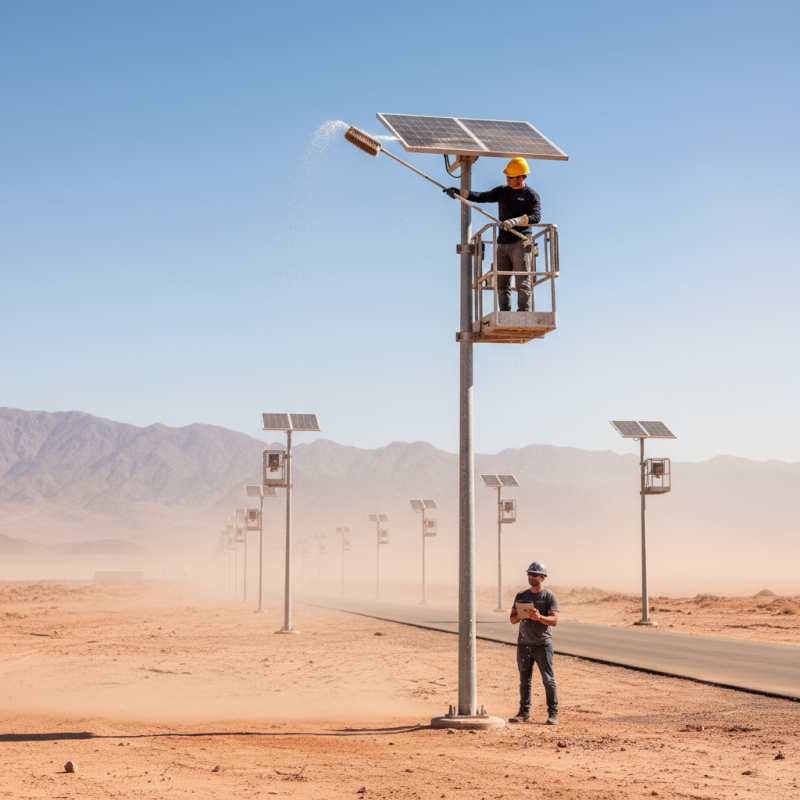
The functionality of solar panels in street lights is crucial, especially in dusty environments. Dust buildup significantly reduces solar panel efficiency, affecting energy generation. Research indicates that a mere 10% reduction in sunlight can lead to a 5-20% decrease in energy output. Such statistics highlight the need for regular maintenance in these areas.
Solar panels convert sunlight into electricity through photovoltaic cells. When dust accumulates, it blocks sunlight, decreasing energy production. For instance, an independent report noted that in arid areas, dust can accumulate up to 2 grams per square meter per day. This can lead to severe performance issues if not addressed. Effective cleaning regimes can restore output efficiency significantly.
Moreover, a lack of knowledge persists about maintaining these systems. Many users underestimate the impact of dust and neglect regular cleaning. A proactive approach can prevent long-term inefficiencies. Identifying the right cleaning schedule is essential. Seasonal cleaning might suffice, but in regions with frequent dust storms, monthly maintenance could be necessary.
Dust accumulation on solar panels significantly impacts their efficiency, particularly in arid and semi-arid regions. Research indicates that even a thin layer of dust can reduce solar panel output by 10-25%. In some cases, heavy dust may cut efficiency by more than 50%. This reduction directly affects energy production, resulting in less reliable solar street lighting, which is crucial for public safety.
Notably, the type of dust plays a vital role in this decline. Coarse particles tend to block sunlight more effectively than finer particles. A study in the Journal of Renewable Energy reported that panels exposed to sandy dust showed a considerable drop in performance. Regular maintenance becomes imperative for optimal performance. However, many municipalities may overlook this crucial aspect.
The aesthetics of solar panels can be an afterthought. Accumulated dust not only hampers functionality but also diminishes the visual appeal of street lighting. Many cities grapple with implementing effective cleaning schedules. Seasonal dust storms may worsen the situation, leading to inconsistent energy supply for streetlights. Comprehensive strategies must include routine inspections and adaptive cleaning methods tailored to local conditions.
| Maintenance Method | Frequency | Impact on Efficiency (%) | Recommended Tools | Notes |
|---|---|---|---|---|
| Regular Cleaning | Every 2 weeks | 10-20% | Soft brush, water, microfiber cloth | Ensure safety; avoid harsh chemicals |
| Dust Coating | Monthly | 5-15% | Anti-dust spray | Consider environmental factors |
| Regular Inspection | Every 6 months | N/A | Visual inspection tools | Check for damage and debris |
| Seasonal Maintenance | At the end of each season | Varies | Cleaning kit, water | Prepare for upcoming dust seasons |
| Educating Staff | Annually | N/A | Training materials | To enhance maintenance effectiveness |
Dusty environments can significantly hinder the performance of solar panels on street lights. One effective method to combat dust buildup is regular cleaning. Using a soft brush or a microfiber cloth allows for gentle removal of dirt. It’s essential to do this without scratching the solar panels. For areas with heavy dust, consider more frequent cleanings.
Another effective technique is to use water mixed with a mild detergent. This helps dissolve tougher dirt and grime. Spray the solution onto the panels, allowing it to sit for a few minutes. After that, rinsing with clean water can enhance surface clarity. High-pressure washers are not recommended, as they can damage the panel seals.
Maintaining these panels requires attention to detail. Inspecting the mounting systems, wiring, and connectors for any dust accumulation is crucial. Sometimes, visual inspection reveals areas needing more cleaning. In dusty conditions, neglect can lead to reduced energy efficiency. Therefore, periodic maintenance is not just a chore; it’s essential for optimal performance. These methods may not guarantee perfection, but they significantly improve operation in challenging environments.
Maintaining solar panels on street lights in dusty areas is crucial for their efficiency. In arid environments, dust accumulation can significantly reduce the panels' energy output. A regular maintenance schedule can help keep them clean and functional. Ideally, inspections should occur every two weeks during dry seasons.
Cleaning the panels is essential. Use soft brushes or cloths to avoid scratching the surface. Water should be used carefully, minimizing waste. In some cases, a quick rinse with a low-pressure stream can suffice. It’s worth noting that heavy cleaning may not always be necessary. Sometimes, a light dusting can restore some efficiency.
Monitoring the panels for visible signs of damage or degradation is also important. Cracks or discoloration can indicate severe issues. If such damage is noted, timely repairs may prevent further complications. It’s a learning process, and not every cleaning will yield perfect results. Each step offers insights into the most effective methods for specific conditions.
Dusty environments can significantly impact the efficiency of solar panels installed on street lights. To enhance their longevity, regular maintenance is crucial. Cleaning the solar panels with a soft brush or non-abrasive cloth can remove accumulated dust and dirt. This simple task can greatly improve their energy output. However, it’s not always easy to access the panels. Elevated locations may require specialized equipment for safe cleaning.
In addition to routine cleaning, utilizing protective covers is a smart move. These covers can shield solar panels from dust build-up. They must be durable yet lightweight to avoid obstructing sunlight. Moreover, considering the angle of the panels can minimize the settling of dust. Panels tilted to a certain degree allow for natural rainwater washing, which helps maintain panel cleanliness.
Furthermore, using technology to monitor efficiency can be beneficial. Installing sensors that detect output levels enables immediate action if performance drops. This can prevent long-term damage. Nonetheless, a common oversight is neglecting to assess local environmental factors. Frequent winds or storms may increase dust exposure, requiring more frequent maintenance. Understanding these conditions can lead to more targeted upkeep strategies.
: It is recommended to clean solar panels every two weeks during dry seasons.
Use a soft brush or microfiber cloth to gently remove dust without scratching.
No, high-pressure washers can damage the panel seals.
Timely repairs are necessary to prevent further complications.
They shield panels from dust accumulation and enhance performance.
Sometimes a light dusting may suffice to restore efficiency.
Assess local environmental conditions, like frequent winds or storms.
Yes, using sensors can help detect performance drops and allow quick responses.
Not every cleaning will yield perfect results; it's a learning process.
Tilting panels can allow natural rainwater to wash away some dust, reducing maintenance.
Maintaining solar panels on street lights in dusty areas is crucial for ensuring their optimal functionality and longevity. The accumulation of dust can significantly hinder the efficiency of these panels, leading to reduced energy output. To effectively address this challenge, it is essential to implement a regular maintenance schedule that includes periodic cleaning and inspection.
Recommended cleaning techniques involve using soft brushes, microfiber cloths, and gentle water sprays to remove dust without damaging the panels. In addition to routine cleaning, incorporating protective measures such as installing dust guards or selecting appropriate panel angles can enhance performance. By understanding "how to maintain solar panels on street lights in dusty areas," stakeholders can ensure sustained energy generation and improved lifespan of the solar installations.
Suvlux Light