Municipal lighting is evolving rapidly. Smart dimming technology is at the forefront of this transformation. But what are the benefits of smart dimming in municipal lighting? According to the U.S. Department of Energy, smart lighting can lead to energy savings of up to 60%. This substantial reduction can ease budget pressures for city administrations.
Implementing smart dimming systems allows cities to adjust lighting based on real-time needs. For instance, lights can dim during low traffic periods, saving energy and reducing light pollution. A report by the International Energy Agency highlights that cities can reduce greenhouse gas emissions significantly through such technologies. Yet, adopting smart dimming systems is not without challenges. Initial costs and public resistance can hinder progress, making careful planning essential.
The potential benefits are clear, but execution is critical. Cities must consider integrating community feedback and technology training. There is no one-size-fits-all solution. Cities vary in size, budgets, and specific needs. Striking a balance between innovation and practicality is necessary for maximal benefit.
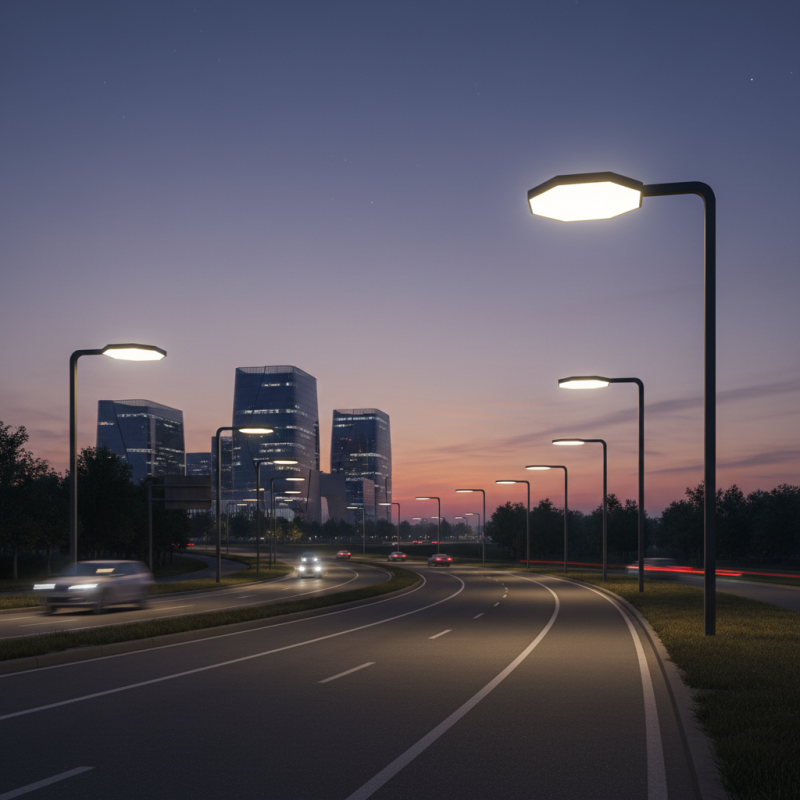
Smart dimming technology in municipal lighting offers significant advantages for city management and sustainability. This technology uses sensors and software to adjust the brightness of streetlights based on real-time conditions. For instance, lights can dim when no pedestrians are present, saving energy and reducing costs. Cities can implement smart dimming in high-traffic areas and neighborhoods, maximizing safety while minimizing waste.
Despite its benefits, there are challenges in adopting smart dimming systems. Initial installation costs may deter some municipalities. Additionally, not all neighborhoods may embrace the idea of dimming lights. Concerns over safety and visibility often surface, leading to potential community pushback. Testing and community involvement are crucial to address these worries. Cities need to analyze specific areas to determine the most effective approach.
Furthermore, continuous monitoring of these systems ensures their effectiveness. Data collected can reveal patterns in usage and energy savings. However, cities must also consider maintenance and technology upgrading. This constant evolution requires a commitment to staying informed about advancements. Balancing community feedback with technological innovation is key to maximizing the benefits of smart dimming.
This chart illustrates the potential energy savings from smart dimming technology in municipal lighting across different time periods. The data reflects the percentage of energy saved during peak and off-peak hours.
Smart dimming in urban lighting offers multiple benefits that contribute to sustainable city environments. Cities can reduce energy consumption by up to 30% through smart dimming strategies, according to a report by the International Energy Agency. This technology adjusts the brightness of streetlights based on real-time conditions, ensuring illumination is adequate but not excessive. In times of low traffic or pedestrian activity, lights can dim, conserving energy without compromising safety.
Implementing smart dimming systems enhances not only energy savings but also extends the lifespan of lighting infrastructure. Studies show that LED fixtures paired with dimming controls can last significantly longer—up to 50,000 hours. This reduces maintenance costs and waste, aligning with sustainable urban development goals. However, cities must assess their unique needs and potential challenges in adopting these systems. Coverage gaps and reliance on technology can create issues requiring thoughtful solutions.
In addition to the tangible savings, cities experience improved public safety. Properly calibrated lighting levels can deter crime while enhancing visibility for pedestrians and cyclists. Nonetheless, discovering the optimal balance in lighting intensity remains an ongoing challenge. Ensuring community engagement during implementation can address concerns, fostering a sense of ownership in public spaces.
Smart dimming in municipal lighting presents an opportunity for energy efficiency. Proper implementation can reduce energy waste significantly. However, it requires careful planning. Integration with existing infrastructure must be considered, as retrofitting is often complex.
Utilizing sensors and adaptive technology enhances dimming capabilities. These tools can detect pedestrian activity or traffic flow, adjusting brightness accordingly. Streetlights can dim when areas are unoccupied. This not only saves energy but also extends the lifespan of the lighting equipment. Regular assessments of effectiveness are necessary. Collecting data on energy usage can reveal areas for improvement.
Challenges exist in technology adoption. There may be resistance from city officials or budget constraints. These obstacles can hinder the optimal deployment of smart dimming solutions. Collaborative initiatives can help address these issues through shared resources and expertise. Encouraging community feedback can also foster support for such innovations.
Integrating smart dimming into existing municipal lighting systems presents significant opportunities for cities. A report from the International Energy Agency indicates that street lighting accounts for about 38% of total energy used in urban settings. By implementing smart dimming technologies, municipalities can optimize energy consumption. This innovation allows for lighting adjustments based on real-time conditions. For instance, lights can dim during low traffic hours, reducing energy expenses and carbon footprints.
However, integration comes with challenges. Many existing lighting systems are outdated and incompatible with modern dimming technology. Upgrading infrastructure requires financial investment and careful planning. Municipalities need to assess their current systems and determine the most effective retrofit strategies. According to the U.S. Department of Energy, cities could save up to 30-50% on energy costs by integrating smart dimming features. Yet, without strategic execution, these potential savings may not be realized.
Moreover, there is a necessity for reliable data collection. Effective integration relies on understanding user patterns. Inaccurate data can lead to inefficient lighting schedules. Cities must develop robust frameworks for data analysis to fully leverage smart dimming capabilities. Failure to address these gaps can impede progress and negate some of the expected benefits.
The rise of smart dimming in municipal lighting offers numerous opportunities for sustainable urban development. Cities can manage energy consumption efficiently while enhancing public safety. Smart dimming technology adjusts brightness based on real-time conditions, helping to create safer streets and reduce light pollution. It's important for city planners to integrate these systems with urban infrastructure for maximum impact.
Tips: Consider incorporating smart dimming in renovation projects. This can lead to immediate energy savings. Local governments should also engage community feedback to ensure the solutions meet residents' needs. It’s essential to remember that not all areas require the same light intensity. Fine-tuning light levels based on specific locations can enhance effectiveness.
Future trends indicate a shift towards more adaptive lighting solutions. As cities become smarter, integrating AI with dimming technology will allow for even greater flexibility. Yet, cities must be cautious. Over-reliance on technology can lead to challenges, such as data privacy concerns. A balanced approach that includes human oversight is necessary for success.
| Year | City | Smart Dimming Technology | Energy Savings (%) | CO2 Reduction (tons/year) | Deployment Cost ($) |
|---|---|---|---|---|---|
| 2023 | City A | LED + IoT Sensors | 30% | 150 | 50,000 |
| 2024 | City B | Smart Controls | 25% | 100 | 40,000 |
| 2025 | City C | Adaptive Lighting | 35% | 200 | 60,000 |
| 2026 | City D | Networked Lighting | 40% | 250 | 70,000 |
: Smart dimming adjusts streetlight brightness based on real-time activity, ensuring safety while conserving energy.
Cities can reduce energy consumption by up to 30% with smart dimming strategies.
LED fixtures with dimming controls can last up to 50,000 hours, reducing maintenance costs.
Challenges include technology reliance, coverage gaps, and potential resistance from officials or budget issues.
Properly calibrated lighting can deter crime and enhance visibility for pedestrians and cyclists.
Engaging the community fosters ownership and addresses concerns about public space lighting.
Sensors detect activity levels and adjust brightness accordingly, saving energy and extending equipment lifespan.
Integration with current systems requires careful planning to manage retrofitting complexities.
The integration of AI with dimming technology will increase flexibility and adaptability for cities.
Over-reliance on technology might raise data privacy concerns and overlook the need for human oversight.
The article "2026 How to Maximize Benefits of Smart Dimming in Municipal Lighting?" explores the transformative potential of smart dimming technology in urban environments. It begins by providing a comprehensive understanding of smart dimming and its ability to adjust light levels based on real-time demand, significantly enhancing energy efficiency. The discussion highlights the benefits of smart dimming in municipal lighting, such as reduced energy consumption, lower operational costs, and improved public safety through adaptive lighting.
Key strategies for maximizing energy efficiency through smart dimming include integrating this technology with existing municipal lighting systems and leveraging data-driven insights for optimal performance. The article also touches on future trends in smart dimming and its role in sustainable urban development, emphasizing the need for cities to embrace these innovations. Ultimately, the article answers the question, "What are the benefits of smart dimming in municipal lighting?" by illustrating how these advancements can lead to smarter, greener cities.

Suvlux Light