How Do Motion Sensors Work in Solar Garden Lights?

Time:2026-05-19 Author:Madeline
0%

Solar garden lights are a popular choice for enhancing outdoor spaces. They provide illumination while being energy-efficient. However, many users wonder, "How do motion sensors work on solar garden lights?" Understanding this technology is essential for making informed choices.

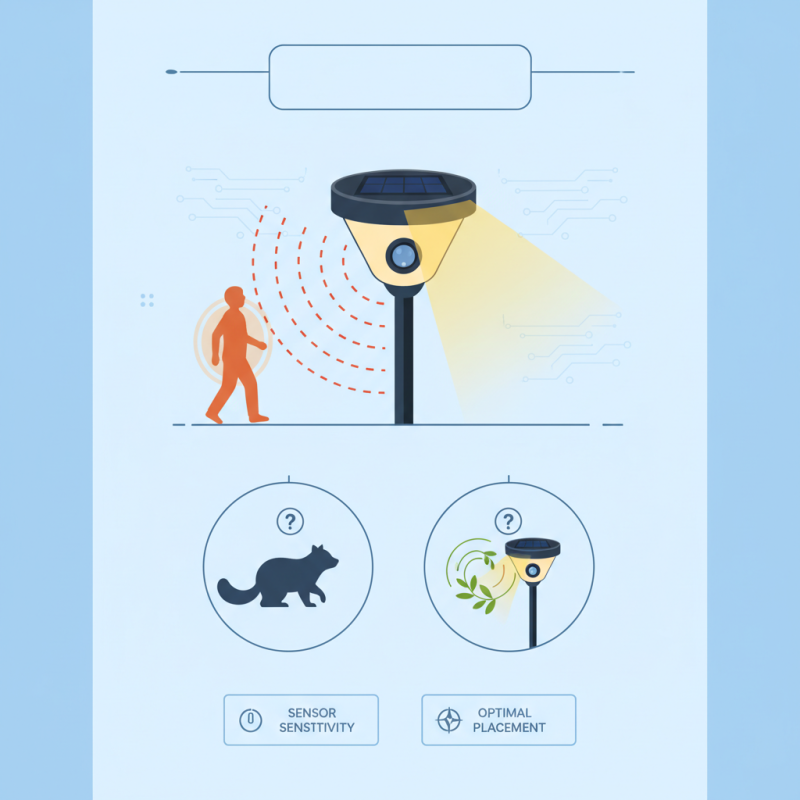
Motion sensors play a vital role in the functionality of solar garden lights. These devices detect movement, allowing lights to turn on when someone approaches. Typically, they use passive infrared technology to sense warmth emitted by living beings. This mechanism ensures that the lights conserve energy by activating only when needed.

Despite their advantages, motion sensors are not flawless. Sometimes, they may trigger due to passing animals or foliage movement. This can lead to unwanted lighting at odd hours. Users must also consider sensor sensitivity and placement for optimal performance. By exploring these aspects, you can maximize the efficiency of your solar garden lights.
How Do Motion Sensors Work in Solar Garden Lights?

Understanding Solar Garden Lights and Their Components

Solar garden lights are becoming increasingly popular due to their energy efficiency and ease of use. At their core, these lights incorporate three essential components: solar panels, batteries, and motion sensors. Understanding how these elements interact is crucial for maximizing their effectiveness. Industry reports indicate that about 40% of garden light users opt for models featuring motion sensors, highlighting their growing significance.

Solar panels capture sunlight during the day and convert it into energy. This energy is stored in batteries, which power the LED lights at night. Motion sensors enhance this functionality by detecting movement. When someone or something moves within their range, these sensors trigger the lights to illuminate. A research study indicated that motion sensors can increase energy efficiency by up to 70% in outdoor settings. However, factors like placement and sensitivity levels of these sensors can sometimes affect their performance. Users must consider these details to ensure optimal operation.

The integration of motion sensors adds complexity to solar garden lights. They can inadvertently create challenges. For instance, incorrect installation may lead to false triggers or missed detections. Users may find themselves adjusting sensitivity settings frequently. Furthermore, environmental conditions such as wind or rain can impact sensor reliability. It's essential to assess the specific context in which these lights will be used to avoid frustration and ensure consistent performance.

The Role of Motion Sensors in Outdoor Lighting Technologies

Motion sensors play a crucial role in outdoor lighting technologies, especially in solar garden lights. These sensors detect movement, enhancing security and energy efficiency. When someone walks by, they activate the light, illuminating the area without wasting energy. The result is a well-lit pathway while keeping power consumption low.

The technology behind motion sensors often relies on passive infrared (PIR) detection. This method senses heat emitted by moving objects. However, this system has its flaws. For instance, it may not detect slow-moving individuals or pets. There are also concerns about sensitivity levels. If set too high, the light can turn on with every breeze or small animal, leading to unnecessary energy use.

Incorporating motion sensors also requires careful placement. A poorly positioned sensor may miss crucial movement or activate too frequently. Users may need to experiment with angles and distances to find the optimal setup for their environment. This trial-and-error approach can sometimes lead to frustration but ultimately results in a more functional lighting system.

How Motion Sensors Detect Movement: The Science Behind It

Motion sensors are essential components of solar garden lights. The science behind these sensors is intriguing. They operate primarily on two technologies: passive infrared (PIR) and microwave sensors. PIR sensors detect changes in heat levels in their surroundings. When an object, like a person or an animal, enters their field of view, the heat from the moving body triggers the sensor. Conversely, microwave sensors use electromagnetic waves, constantly emitting signals to identify motion based on reflected waves.

Data from industry reports indicate that over 75% of outdoor motion sensors used in lighting systems rely on PIR technology. They are typically more energy-efficient and economical. This technology ensures that lights activate only when necessary, conserving energy and prolonging the lifespan of solar batteries. However, environmental factors like weather can affect sensitivity, sometimes leading to false activations or missed detections. Regular maintenance is crucial to optimize performance.

**Tips**: Ensure the sensor is mounted at the right height. This maximizes the detection range while minimizing false triggers. Also, consider placing your solar lights away from heat sources, which might interfere with the PIR sensor's readings. Regularly cleaning the sensors is vital, as dust and debris can hinder their effectiveness.

How Do Motion Sensors Work in Solar Garden Lights?

Sensor Type Detection Range (m) Power Source Light Activation Response Time (s)
PIR (Passive Infrared) 6-12 Solar Panel Automatic at Night < 1
Microwave 10-15 Solar Panel Automatic at Night < 0.5
Ultrasonic 5-10 Solar Panel Automatic at Night < 1
Dual Technology 8-12 Solar Panel Automatic at Night < 0.5

The Benefits of Motion Sensors in Solar Garden Lights

Motion sensors in solar garden lights offer several significant benefits. These devices detect movement and activate lights only when needed. This feature not only enhances safety but also conserves battery life. When someone approaches the garden, the lights illuminate, creating a welcoming atmosphere.

Another advantage is energy efficiency. Solar garden lights with motion sensors use power wisely. They save energy during peak hours when there is no activity. This can lead to longer illumination periods during the night. Additionally, fewer recharges are needed, extending the lifespan of the battery.

However, some users notice that the sensors might react to small animals or weather changes. This can lead to unexpected flashes of light. It's essential to position the sensors correctly to minimize such issues. Regular adjustments may be required to enhance reliability over time.

Installation and Maintenance of Motion Sensors in Solar Lights

When installing motion sensors in solar garden lights, ensure proper placement. Position the lights where they can detect movement effectively. Avoid areas with obstructions. The sensor needs a clear path to sense activity. Test different locations before final installation.

Tips: Take time to experiment with angles. Sometimes slight adjustments make a big difference.

Maintenance is simple but essential. Clean the solar panels regularly to maximize sunlight absorption. Dust and debris can affect performance. Check the motion sensor's sensitivity settings too. If the light triggers often or too rarely, adjustments may be necessary.

Tips: Use a damp cloth for cleaning. Avoid harsh chemicals that can damage the surfaces. Regular maintenance helps extend the life of your solar lights.

Motion Sensor Efficiency in Solar Garden Lights

FAQS

: What do motion sensors do in outdoor lighting?

: Motion sensors detect movement to enhance security and save energy. They Illuminate areas when someone approaches.

How do motion sensors work?

They typically use passive infrared (PIR) detection to sense heat from moving objects.

What are some limitations of motion sensors?

They may not detect slow movements, like those from pets. Sensitivity issues can also cause frequent activations.

How can sensor placement affect their performance?

Poor positioning may lead to missed movements or unnecessary activations. Experimenting with angles can help optimize setup.

What are the benefits of using motion sensors in solar lights?

They activate lights only when needed, enhancing safety and conserving battery life for longer use.

Can motion sensors lead to unexpected behavior?

Yes, they might react to small animals or weather, causing lights to flash unexpectedly.

How can users improve sensor reliability?

Regular adjustments to positioning and sensitivity may be needed to enhance performance over time.

Is it frustrating to set up motion sensors?

Yes, the trial-and-error process can be frustrating but often leads to better functionality in lighting systems.

Do motion sensors save energy effectively?

Yes, they use energy wisely, especially during low activity periods, extending battery life and illumination.

What atmosphere do motion sensors help create?

They create a welcoming environment by illuminating paths when someone approaches, enhancing overall safety.

Conclusion

Solar garden lights have gained popularity due to their eco-friendly nature and convenience, but understanding their technology, particularly motion sensors, is crucial. The article explains how motion sensors work on solar garden lights by detecting movement through infrared technology, which senses changes in heat emitted by objects. Additionally, it highlights the role of these sensors in outdoor lighting systems, improving security and energy efficiency.

The benefits of integrating motion sensors include enhanced safety and reduced energy consumption, as lights only activate when motion is detected. The article also discusses the installation and maintenance of these sensors, ensuring they function optimally. In summary, knowing how do motion sensors work on solar garden lights can help users make informed choices for their outdoor spaces, combining functionality with sustainability.

Madeline

Madeline

Madeline is a dedicated marketing professional with a wealth of expertise in our company's core offerings. With a keen understanding of the industry, she brings a unique perspective to her role, consistently delivering high-quality content that highlights the superior aspects of our products. As......