 Suvlux Light
How to Safeguard Outdoor LED Lights from Lightning Strikes?
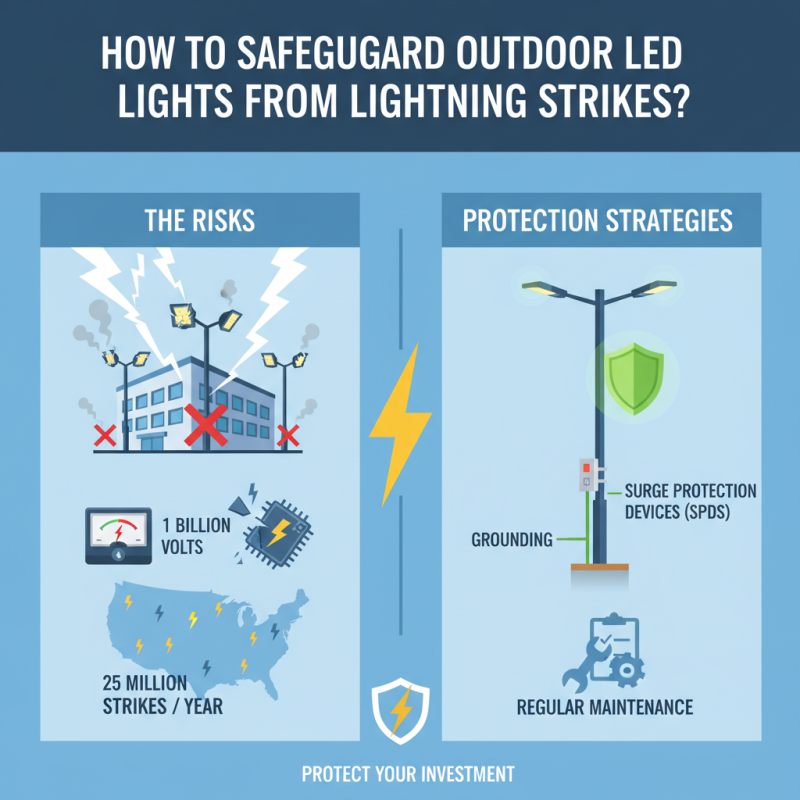
Lightning strikes can cause significant damage to outdoor LED lights, leading to costly repairs or replacements. According to the National Weather Service, lightning strikes the United States about 25 million times each year. This means that outdoor installations are at risk, especially during thunderstorms. In fact, a report by the Lightning Protection Institute indicates that a single lightning strike can generate over 1 billion volts of electricity, overwhelming unprotected lighting systems.
So, how to protect outdoor LED lights from lightning strikes? Implementing effective protection strategies is crucial. Grounding and surge protection are essential to mitigate the impact of electrical surges caused by nearby strikes. The use of surge protection devices (SPDs) can lower the risk of damage, allowing the lights to continue functioning. However, many outdoor lighting installations overlook these essential precautions, leaving them vulnerable.
Understanding the risks and taking proactive measures is vital for anyone relying on outdoor LED lighting. Regular maintenance and investment in protective equipment can make a significant difference. It’s important to reflect on past incidents and prioritize safeguarding your investments against nature's unpredictable forces.
Understanding the Risks of Lightning Strikes to Outdoor LED Lights
Lightning strikes pose significant risks to outdoor LED lights. These high-voltage events can harm not only the lights themselves but also the surrounding electrical systems. Understanding this risk is crucial for homeowners and businesses that use outdoor lighting. The damage from a lightning strike can lead to costly replacements, safety hazards, and potential fire risks.
To mitigate these risks, consider installing surge protectors. They help absorb excess voltage during a strike, safeguarding your lighting fixtures. Additionally, ensure all wiring is grounded properly. This can redirect the energy and prevent damage to your LED lights. Regular maintenance and inspections are essential. Faulty wiring can increase vulnerability to lightning.
While these measures can help, no solution is 100% foolproof. It's wise to turn off outdoor lighting during severe storms. This simple action can reduce the chance of damage. Stay informed about local weather patterns to better prepare for potential lightning events. In this unpredictable world, vigilance is key.
How to Safeguard Outdoor LED Lights from Lightning Strikes?
| Risk Factor | Description | Prevention Method |
|---|---|---|
| Direct Strike | Lightning can hit the light fixture directly, leading to physical damage and a short circuit. | Install surge protectors and lightning rods nearby. |
| Induced Surge | Electrical impulses from nearby strikes can cause surges that damage electrical components. | Use properly rated surge protectors for outdoor equipment. |
| Grounding Issues | Poor grounding can increase the risk of damage during a lightning storm. | Ensure proper grounding of all outdoor electrical installations. |
| Nearby Structures | Tall nearby structures can attract lightning and increase risks. | Position lights away from high structures and consider shield installation. |
| Environmental Factors | Wet conditions can increase conductivity and risks of light damage. | Choose weatherproof fixtures and cables to minimize risks. |
FAQS
: Consider safety, efficiency, and environmental factors. Avoid tall trees and open spaces.
Position lights on lower ground or landscaped areas. Implement surge protectors and grounding systems.
Aesthetic placement enhances visibility without overwhelming the environment. Safety should remain a priority.
Regular checks and maintenance are essential. This ensures lights remain functional during harsh weather.
Surge protectors absorb voltage spikes from lightning, preserving the integrity of your lighting fixtures.
Look for outdoor-rated surge protectors with a high Joule rating. Install close to the lights for maximum effect.
Not all fixtures are fully waterproof. Choose those with higher IP ratings to prevent burnout or short-circuiting.
Regularly check for wear and replace it immediately if signs of damage appear.
No, they significantly help but don’t guarantee complete protection against lightning strikes.
Overloading circuits can increase the risk of electrical surges, potentially damaging your LED lights.
Conclusion
When considering how to protect outdoor LED lights from lightning strikes, it is essential to first understand the risks lightning poses to these installations. Choosing the right location for LED lighting is crucial; placing lights in areas less prone to lightning activity can mitigate some risks. Additionally, implementing protective measures such as disconnecting lights during storms and utilizing surge protectors can significantly enhance safety.
Regular maintenance and inspection of outdoor LED lighting systems are also vital in ensuring their resilience against electrical surges caused by lightning. By following these guidelines, property owners can effectively safeguard their outdoor LED lights, ensuring durability and functionality even in adverse weather conditions.
