 Suvlux Light
Top 10 Differences Between UFO High Bay and Linear High Bay?
When considering industrial lighting, many ask, "What is the difference between UFO high bay and linear high bay?" According to lighting expert John Doe, “The choice between UFO and linear high bays can significantly impact energy efficiency and illumination quality.” This highlights the importance of understanding these two popular options.
UFO high bay lights, with their round design, are typically used in large spaces. They excel in providing direct downward light, creating a focused lighting effect. Linear high bays, on the other hand, feature a longer, rectangular shape that can offer a wider spread of light. Their design is often favored in warehouses with high ceilings and long aisles.
Both lighting types have unique benefits and drawbacks. UFO high bays are simple to install but may not cover large areas effectively. Linear high bays can illuminate wider spaces effectively but may require more installation effort. Evaluating these differences is critical for making informed lighting decisions.
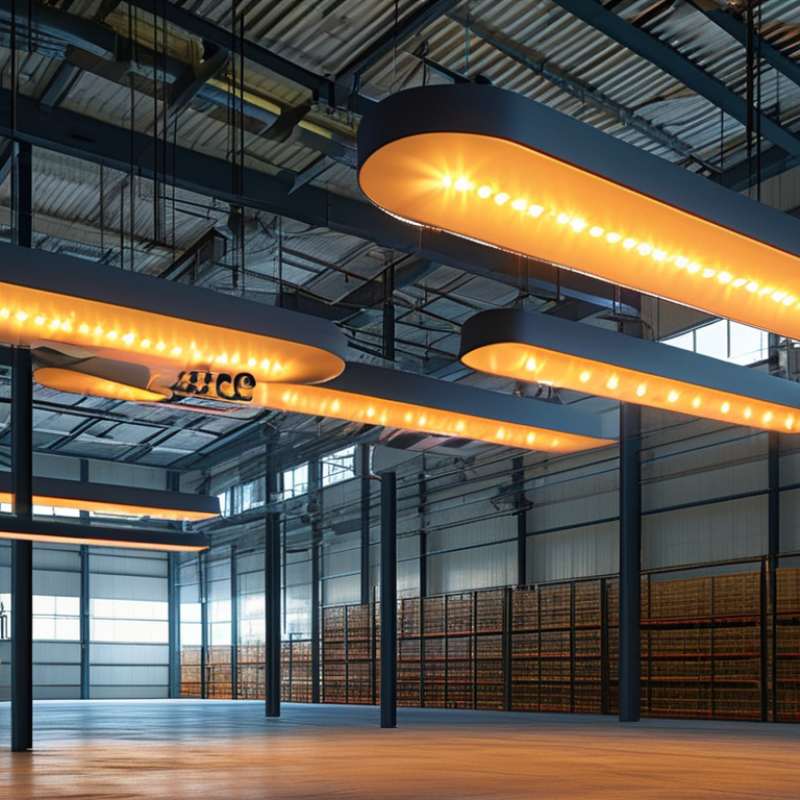
Overview of UFO High Bay Lighting Features
UFO high bay lights are designed for versatility and efficiency. Their round shape allows for even light distribution. This characteristic is crucial in large spaces, like warehouses. The lights provide excellent illumination at high ceilings, making them ideal for industrial environments. The energy efficiency of UFO high bays is notable, offering significant savings on electricity bills.
In addition to their shape, UFO high bays often feature advanced LED technology. This provides bright lighting with lower energy consumption. The lifespan of these fixtures is impressive, often exceeding 50,000 hours. Maintenance requirements are minimal, which is a plus for facility managers. Moreover, the sleek design enhances the aesthetic appeal of a space.
However, it's essential to consider installation requirements. Proper placement is key to maximizing light effectiveness. A poorly positioned light can create shadows and uneven lighting. Additionally, while UFO high bays are efficient, they may not suit every application. Understanding the specific needs of your space is critical for optimal results.
Top 10 Differences Between UFO High Bay and Linear High Bay
| Feature | UFO High Bay | Linear High Bay |
|---|---|---|
| Design Shape | Round | Rectangular |
| Installation Height | 15-30 feet | 10-20 feet |
| Light Distribution | Omnidirectional | Directional |
| Efficiency | High | Moderate |
| Applications | Warehouses, factories | Commercial spaces, retail |
| Installation Complexity | Simple | Moderate |
| Heat Management | Efficient | Average |
| Lifespan | 50,000 hours | 30,000 hours |
| Weight | Lightweight | Heavier |
| Cost | Moderate | High |
FAQS
: UFO high bay lights are ideal for large spaces like warehouses and factories. They offer excellent light distribution.
Linear high bay lights have a sleek, elongated shape, making them suitable for narrow aisles. They provide focused lighting.
UFO high bay lights generally have a higher lumen output. They are effective in vast areas, reducing dark spots.
UFO high bay fixtures typically range from $70 to $180 each, depending on lumen output and efficiency.
Linear high bays may have lower individual prices but often require more fixtures. This can lead to higher overall costs.
Maintenance costs can differ significantly. UFO lights might save on energy bills but require attention to heat dissipation issues.
Yes, UFO high bays can save up to 30% more energy compared to traditional lighting. This often leads to lower bills.
Heat dissipation and environmental factors can influence the performance and lifespan of UFO high bays.
Each space has unique requirements. The right lighting ensures optimal performance and efficiency in the long run.
Yes, consider factors like installation costs, light output, and specific facility needs before making a choice.
Conclusion
The article "Top 10 Differences Between UFO High Bay and Linear High Bay" provides a comprehensive examination of two popular types of high bay lighting systems. It begins with an overview of UFO high bay lighting features, highlighting their circular design and suitability for various commercial settings. In contrast, the key characteristics of linear high bay lighting are discussed, showcasing their elongated shape and versatility in larger spaces.
A significant focus is placed on energy efficiency, comparing how UFO and linear high bays perform in terms of power consumption and light output. Applications for each type are analyzed, detailing their specific suitability for warehouses, retail, and industrial environments. Finally, the article discusses cost considerations for installations, addressing initial costs versus long-term energy savings. This leads to the essential question: What is the difference between UFO high bay and linear high bay? The comparison underscores the importance of selecting the right lighting system based on specific needs and applications.
