Why Do Solar Lights Stay On During The Day Explained?

Time:2026-07-06 Author:Aria
0%

Solar lights are an eco-friendly solution for outdoor illumination. However, a common question arises: "Why do solar lights stay on during the day?" This phenomenon can seem puzzling. After all, these lights are designed to harness solar energy. The key lies in their internal mechanisms.

During the daytime, solar lights typically charge their batteries. Yet, some malfunction or specific designs cause them to stay illuminated. For example, a faulty light sensor may confuse daylight for darkness. This scenario highlights the importance of quality and proper installation. Users should monitor their solar lights closely to ensure optimal performance.

Understanding why solar lights behave this way can enhance your outdoor lighting experience. It invites reflections on maintenance and technology reliability. Investing in high-quality solar lights can make a significant difference. Recognizing these factors helps users clarify intentions and get the best value for their needs.
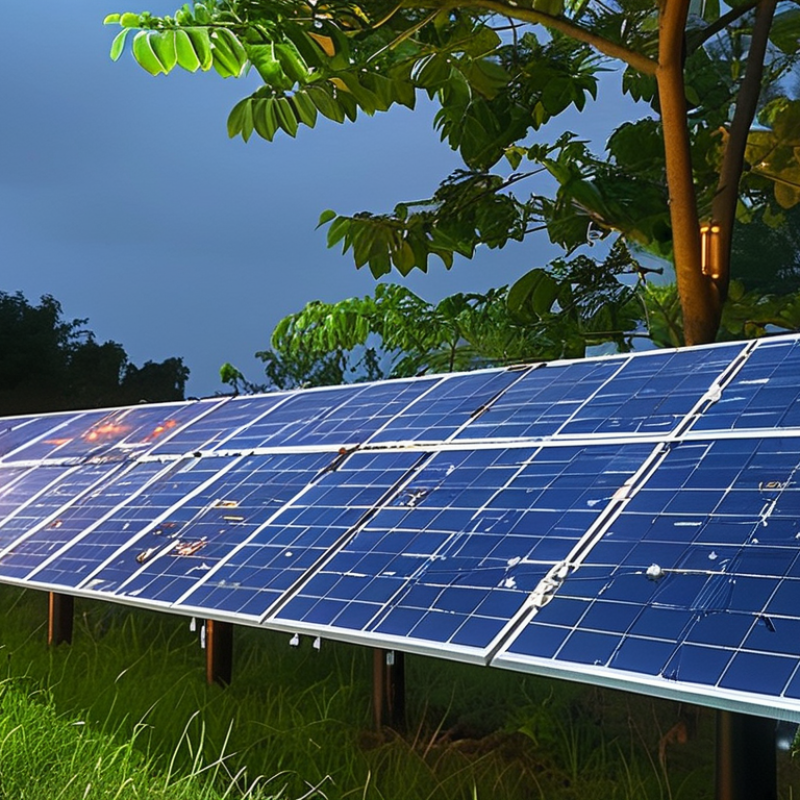
Why Do Solar Lights Stay On During The Day Explained?

Understanding the Mechanism of Solar Lights

Solar lights contain a fascinating mechanism that allows them to function independently of direct sunlight when properly designed. They generally utilize photovoltaic cells to capture and convert sunlight into energy. During the day, these cells absorb sunlight and store energy in rechargeable batteries. However, some solar lights may appear to remain on during daylight hours, which can be puzzling for users.

This behavior often stems from an automatic feature within many solar light models. A built-in light sensor detects ambient light levels. When it is dark enough, the sensor activates the light. If the sensor is faulty or overly sensitive, it may cause the light to stay on even in daylight. This issue could lead to unnecessary energy drain, reducing the overall efficiency of the solar unit.

Understanding this mechanism calls for a closer inspection of how solar technology functions. Users should regularly check solar lights for proper function. Cleaning the solar panel and ensuring there are no obstructions can aid in better performance. Furthermore, it’s essential to recognize the potential limitations of solar technology itself. Factors such as weather and time of year greatly impact performance. Engaging with these details can help users optimize their solar lights effectively.

How Solar Panels Harness Sunlight for Energy

Solar panels are fascinating devices that convert sunlight into energy. They do this through a process called photovoltaics. In simple terms, solar panels contain solar cells made of semiconductor materials. When sunlight hits these cells, it excites electrons, generating electric current. This process is efficient and environmentally friendly. However, not all panels are created equal.

Some people wonder why solar lights sometimes stay on during the day. This can happen if the solar light’s sensors are not calibrated correctly. A faulty sensor makes the light think it’s dark when it’s actually bright. It’s a common issue that needs addressing.

Tips for maintaining solar panels include regularly cleaning them. Dust and debris can block sunlight, reducing efficiency. Check for any shadows cast by nearby objects. Even slight shading can impact energy production. Finally, inspect the connections and wiring regularly. This practice helps to ensure that the solar panels work effectively.

Why Do Solar Lights Stay On During The Day Explained? - How Solar Panels Harness Sunlight for Energy

Component Function Impact on Daylight Performance Energy Conversion Efficiency
Solar Panels Convert sunlight into electrical energy N/A 15-22%
Battery Stores electrical energy for night use Can remain charged during the day Varies by type (40-90%)
Light Sensor Detects ambient light levels Turns off light during the day N/A
LED Light Provides illumination when needed May emit a faint glow in some cases Up to 80%
Charge Controller Regulates charging of the battery Prevents overcharging during sunny days N/A

The Role of Light Sensors in Solar Lights

Light sensors are essential components of solar lights. They enable the lights to automatically detect surrounding light levels. Typically, these sensors make use of photodiodes or phototransistors. These devices respond to changes in light, signaling the solar light to turn on or off as needed.

During the day, solar lights receive sunlight and keep their lights off. However, some lights may appear to remain on even in bright daylight. This could happen due to sensor malfunctions. Dust or dirt on the sensor lens can block light, preventing it from detecting daylight properly. On the other hand, faulty wiring could also cause this issue, making it necessary to address performance problems.

Solar lights offer convenience, but they are not perfect. Users should regularly check their solar lights to ensure they function properly. Attention to the light sensors is crucial. Understanding how these components work helps in troubleshooting and maintenance. Proper care can enhance their longevity, ensuring that they continue to operate effectively when needed.

Common Misconceptions About Solar Light Operation

Many people believe solar lights do not work properly. They worry that these lights malfunction when they stay on during the day. This common misconception often leads to confusion about solar technology. In reality, solar lights can behave differently based on their design and conditions.

Solar lights rely on photovoltaic cells to capture sunlight and turn it into energy. However, some models have built-in sensors that may detect light in unusual ways. For example, a cloudy day can trick the sensors into thinking it’s nighttime. This causes them to remain on when the sun is still shining. Such instances highlight the complexity of solar technology. Misunderstanding these features can lead users to think the lights are broken.

Another issue arises from the quality of solar lights. Cheaper models may lack effective sensors. This can result in unexpected behavior, like staying on too long during the day. People should consider the environment where solar lights are installed. Excessive shade from trees or buildings can impact their performance. Understanding these factors helps clarify why solar lights sometimes stay illuminated.

Factors Affecting Daytime Performance of Solar Lights

Solar lights are designed to harness sunlight for energy, but various factors can lead to unexpected performance issues during daylight hours. One significant factor is the quality of the solar panel. High-efficiency solar panels can convert more sunlight into energy. According to the National Renewable Energy Laboratory (NREL), some panels can reach efficiencies exceeding 22%. However, cheaper alternatives may perform poorly, impacting their functionality even when the sun is shining.

Another crucial element is the battery capacity. Many solar lights utilize lead-acid or lithium-ion batteries. A battery’s capacity directly influences how much energy it can store. Reports indicate that older batteries might degrade over time, leading to inadequate power supply. Inadequate charging conditions, such as cloudy weather, can further exacerbate this issue, causing lights to behave unexpectedly.

Finally, the positioning of the solar lights plays a vital role. If placed in shaded areas, solar lights may not receive enough sunlight for adequate charging. A study by the Solar Energy Industries Association emphasizes optimal placement for maximum exposure. These factors collectively impact the reliability of solar lights and highlight the need for careful selection and installation.

FAQS

: How do solar panels generate energy?

: Solar panels use photovoltaics to convert sunlight into energy via solar cells made of semiconductor materials.

Why do some solar lights stay on during the day?

Incorrectly calibrated sensors can cause solar lights to mistakenly think it's dark outside.

How can I maintain my solar panels?

Regular cleaning is vital to prevent dust from blocking sunlight. Also, inspect for shading and wiring issues.

What role do light sensors play in solar lights?

Light sensors detect surrounding light levels, allowing solar lights to turn on or off automatically.

What causes a sensor malfunction in solar lights?

Dust on the sensor lens or faulty wiring may prevent accurate detection of daylight, leading to malfunction.

How often should I check my solar lights?

Regular checks are necessary to ensure they function properly and to address any performance issues.

Can minor shading affect energy production?

Yes, even slight shading from nearby objects can significantly impact the efficiency of solar energy production.

What is a common issue with solar light performance?

Faulty sensors or dirt blocking the sensor can lead to the lights not activating correctly during the day.

How can I enhance the longevity of solar lights?

Proper care and regular maintenance of light sensors are crucial for ensuring their effective operation over time.

Are solar lights completely reliable?

No, solar lights have limitations and may require troubleshooting for optimal performance. Regular maintenance is important.

Conclusion

Solar lights are innovative devices designed to harness sunlight for energy, allowing them to function autonomously. One common question arises: "Why do solar lights stay on during the day?" This phenomenon is mainly due to the presence of light sensors that detect ambient light levels. These sensors help control the operation of the lights, ensuring they remain off during daylight to conserve energy, but in some cases, they may malfunction or be affected by external factors, leading to unexpected behavior.

Additionally, environmental conditions such as cloud cover or placement in shaded areas can influence the performance of solar panels, affecting their ability to charge fully. Understanding these mechanisms clarifies common misconceptions about solar lights while highlighting the importance of proper installation and maintenance for optimal performance.

Aria

Aria

Aria is a dedicated marketing professional with a deep passion for innovative strategies and a keen understanding of our company's product offerings. With a wealth of experience in the industry, Aria excels at crafting engaging content that highlights the unique features and benefits of our......