 Suvlux Light
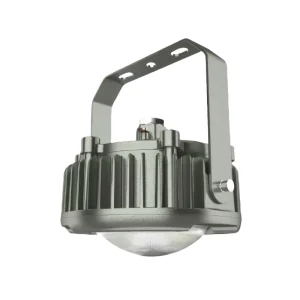
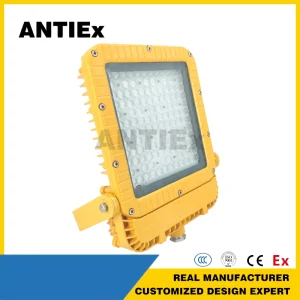
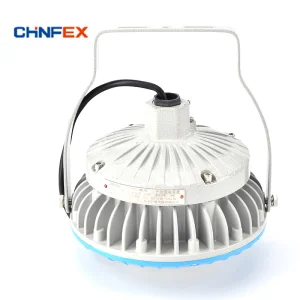
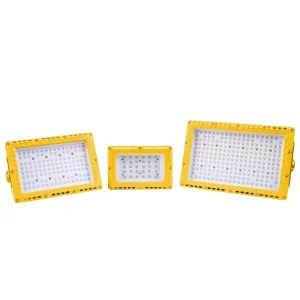
Featured Zone 1 & Zone 2 LED Fixtures
High-performance explosion-proof lighting engineering designed for immediate deployment in Fiji's heavy industries, marine vessels, and industrial processing zones.
1. The Industrial Landscape of Fiji: Addressing Hazardous Area Lighting Challenges
Fiji, as the primary economic hub of the South Pacific, is undergoing rapid industrial diversification. Beyond its renowned tourism sector, the nation supports highly active maritime shipping terminals in Suva and Lautoka, gold mining operations at Vatukoula, extensive sugar processing mills managed by the Fiji Sugar Corporation (FSC), and bulk petroleum storage facilities at Vuda Point. In these environments, flammable gases, vapors, and combustible dusts are constantly present, creating Class I, Division 1 & 2, or Zone 1 & 2 hazardous areas.
The tropical environment of Fiji poses unique challenges for electrical installations. High ambient humidity, extreme salt spray (marine salinity), and frequent tropical cyclones require explosion-proof lighting fixtures to be not only spark-proof but also highly corrosion-resistant and structurally robust. Selecting the right LED explosion-proof lighting manufacturer involves assessing the compatibility of fixtures with the strict environmental and regulatory demands of the South Pacific.
“In offshore logistics and processing terminals near Lautoka, standard industrial light fixtures degrade within months due to galvanic corrosion and moisture ingress, increasing the risk of explosive spark ignition. High-quality IP66/IP67 LED explosion-proof lights are mandatory to maintain operational safety.”
2. Fiji’s Compliance Landscape: Aligning with AS/NZS 60079 Standards
Industrial electrical installations in Fiji comply with the Joint Australian/New Zealand Standards (AS/NZS), particularly the AS/NZS 60079 series for explosive atmospheres. Sourcing managers and electrical engineers in Fiji must ensure that imports of explosion-proof lighting meet these specific standards.
- Zone 1 Areas: Where an explosive gas atmosphere is likely to occur in normal operation. Requires high-protection type "d" (flameproof) or "e" (increased safety) fixtures.
- Zone 2 Areas: Where explosive atmospheres are not likely to occur, but if they do, will persist for a short time only. Type "nR" (restrictive breathing) or Zone 2-rated LED lights are suitable.
- Zone 21 & 22 (Dust Hazards): Common in Fiji’s sugar packaging and agricultural processing plants. Fixtures must offer dust-ignition protection by enclosure ("t" class) with a certified minimum IP65 or IP66 rating.
IP66
Ingress Protection
50k+
Hours Lifespan
Zone 1/2
Certified Class
20kV
Surge Protection
3. Technical Roadmap: The Evolution of Explosion-Proof Lighting
The lighting industry has shifted from energy-intensive Metal Halide (MH) and High-Pressure Sodium (HPS) systems to highly efficient Light Emitting Diodes (LEDs). In hazardous locations across Fiji, this transition delivers substantial operational and financial advantages:
A. Thermal Management and T-Class Ratings
Explosive gas auto-ignition depends on the surface temperature of the lighting fixture. Traditional HPS lamps can exceed 300°C, posing ignition risks. High-quality LED fixtures feature advanced thermal engineering (T1–T6 ratings), ensuring the external surface temperature never exceeds the safety limits of the environment (e.g., T6 stays below 85°C).
B. Smart Sensor Integration and Dimmability
Modern explosion-proof systems integrate smart drivers supporting 0-10V dimming and Dali protocols. These can connect with motion sensors and ambient light controllers to optimize energy use when industrial bays or port areas are unoccupied.
C. Integrated Emergency Backup Systems
Fiji’s energy infrastructure is susceptible to weather-related outages. LED explosion-proof fixtures equipped with integrated emergency battery backups (supporting 60 to 90 minutes of continuous illumination) ensure worker safety during sudden power losses.
4. China Industry 4.0: Supply Chain Resilience & Manufacturing Edge
As an established industrial partner, Jiangsu Suvlux Light Co., Ltd. leverages China's advanced Industry 4.0 manufacturing infrastructure to deliver high-performance hazardous area lighting solutions to Fiji and the wider Pacific region.
Our manufacturing processes feature precise automation, automated die-casting for copper-free aluminum housings, and computerized optical testing. Operating under ISO 9001 quality management, all finished products undergo rigorous testing, including IP ingress verification, thermal stress testing, and goniophotometer output measurements.
For projects in Fiji, Suvlux offers comprehensive OEM/ODM customization. We tailor drivers to handle voltage fluctuations, provide specialized marine-grade anti-corrosion coatings, and configure optical lenses for specific area configurations.
5. Localized Support & Sustainable Logistics for Fiji Projects
Successful deployment in Fiji requires reliable local coordination and engineering support. Suvlux assists local contractors and engineering firms with photometrical layout designs (using DIALux software) to ensure compliance with illuminance standards (lux requirements) before shipping.
Our logistics framework is optimized for Pacific shipping routes. Through direct shipping connections from major Chinese ports to Suva and Lautoka, we ensure prompt transit times. All products are dispatched in heavy-duty, sea-freight-resistant packaging to prevent transit damage.
100% Tested Safety
Every single explosion proof fixture undergoes strict pressure containment and electrical continuity checks in our China 4.0 plant.
Global & Local Standards
Fully certified under international ATEX, IECEx, and CE frameworks, aligning with Fiji's AS/NZS regulatory standards.
Customized For Tropics
Equipped with high-level anti-corrosion, IP66 waterproof ingress, and 20kV surge suppressors for heavy monsoon stability.
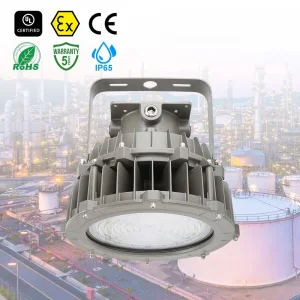
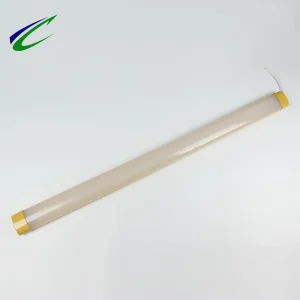
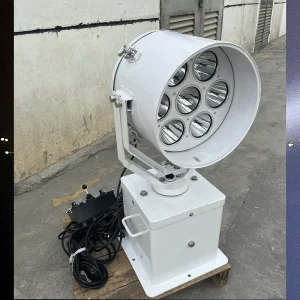
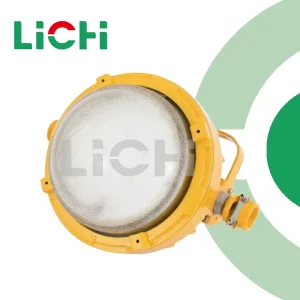
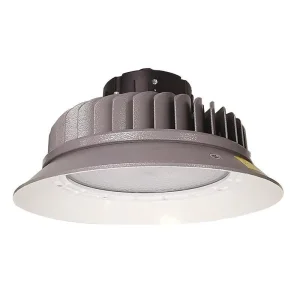
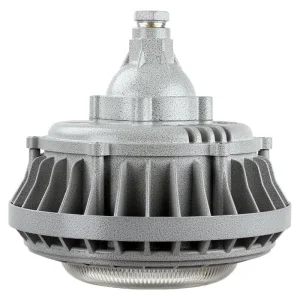
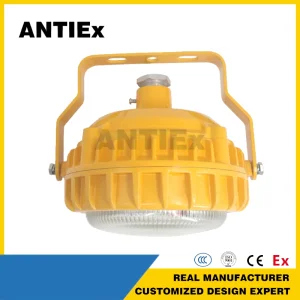
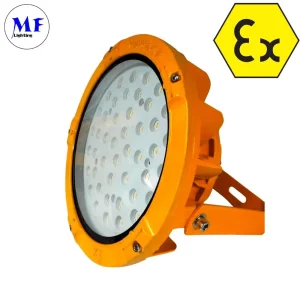
Heavy-Duty Explosion Proof Range
Explore our technical range of high-efficiency LED lights certified for petrochemical, maritime, processing, and emergency industrial environments in Fiji.
Explosion Proof Lighting: Technical Q&A
Answers to engineering and procurement queries regarding explosion-proof lighting requirements in Fiji.
Q1: Which standards must explosion-proof light fixtures meet for import and installation in Fiji?
Under local safety frameworks in Fiji, industrial electrical works typically align with the Australian/New Zealand wiring rules (AS/NZS 3000) and specific hazardous area standards like AS/NZS 60079. Compliance can be established through certifications from international frameworks such as IECEx (global) or ATEX (European Union). When choosing a supplier, ensure their manufacturing facilities provide detailed testing certificates that confirm compliance with these safety baselines.
Q2: How does the tropical maritime environment in Fiji affect explosion-proof LED fixtures?
Fiji's climate features high humidity, warm ambient temperatures, and coastal salt-spray. This environment can accelerate the galvanic corrosion of metal structures. Explosion-proof lights installed in coastal locations like Suva Harbour or Vuda Point require marine-grade copper-free aluminum housings, stainless steel mounting hardware, and multi-layer corrosion protection coatings. They must also have a certified ingress rating of at least IP66 or IP67 to prevent moisture and condensation build-up inside the enclosure.
Q3: Why are LED fixtures preferred over traditional metal halide lighting in hazardous areas?
LED systems offer several key safety and efficiency advantages:
1. Lower Thermal Profile: LEDs run cooler, making it easier to maintain low T-class ratings (such as T6 or T5) to prevent gas ignition.
2. Reduced Energy Use: LEDs save 50% to 70% in power consumption compared to traditional high-pressure sodium or metal halide fixtures.
3. Longer Service Life: LEDs typically operate for 50,000 to 100,000 hours, significantly reducing maintenance downtime in hard-to-reach ceiling locations.
4. Instant Ignition: Unlike metal halide lamps that require a warm-up phase, LEDs reach full brightness instantly, which is critical during emergency situations.
Q4: How do emergency backup drivers improve safety in Fiji's industrial zones?
Power grid stability in Fiji can be affected by monsoons and tropical cyclones. Integrated emergency backup systems (such as our 90-minute battery-backed ATEX high bays) ensure that if mains power fails, the lights switch to internal battery power. This keeps escape pathways lit and enables safe, controlled shutdown procedures in hazardous environments.
Q5: What is the significance of the T-class rating in combustible gas environments?
The Temperature Class (T-class) rating specifies the maximum surface temperature a fixture can reach during operation under fault conditions. For example, a T6 rating limits the surface temperature to 85°C, while a T3 rating allows up to 200°C. The fixture's T-class must be lower than the ignition temperature of the specific gases or dusts present in the installation area.
Q6: Can standard industrial LED lights be used in Zone 2 locations?
No, standard industrial LED lights are not suitable for Zone 2 locations. In explosive atmospheres, even Zone 2 environments require fixtures that prevent internal sparks or surface temperatures from triggering an explosion. Fixtures must be certified with appropriate protection types, such as type "nR" (restricted breathing) or increased safety "e", to ensure they do not become an ignition source during abnormal operations.
About Jiangsu Suvlux Light Co., Ltd.
Your Trusted Partner for Global Industrial & Hazardous Lighting Success
Jiangsu Suvlux Light Co., Ltd. is a high-tech enterprise in China’s lighting industry, specializing in LED outdoor lighting manufacturing and smart lighting solutions. With over a decade of industry experience, the company is dedicated to delivering energy-efficient, environmentally friendly solar and electric lighting systems to customers worldwide. Our products and services have reached more than 200 countries and regions, supporting a wide range of residential, commercial, industrial, and government projects.
Suvlux operates in strict accordance with international quality and safety standards. The company is certified under ISO 9001 and ensures that all products comply with globally recognized certifications such as TUV, CE, FCC, and RoHS. Through rigorous quality control processes and comprehensive testing, we guarantee reliable performance and long-term durability across diverse application environments.
Our product portfolio covers a broad spectrum of outdoor lighting solutions, including integrated and split-type solar street lighting systems, solar-powered flood and garden lighting, as well as high-performance LED fixtures for industrial, roadway, and sports applications, complemented by complete pole and infrastructure support. These solutions are designed to meet varying energy demands while maximizing efficiency and sustainability.
Corporate Vision
Jiangsu Suvlux Light Co., Ltd. follows a long-term development strategy driven by technological innovation, reliable manufacturing, and quality-focused operations. We are committed to advancing green energy lighting solutions and building lasting partnerships worldwide, contributing to a more sustainable and energy-efficient future.